Elementos Básicos de la Rehabilitación Deportiva: Una mirada Multidisciplinaria.: Tomo III. Rehabilitación y Readaptación Deportiva.
Palabras clave:
Cinética, Terapia Acuática, Medicina Regenerativa, Modelos EpidemiológicosSinopsis
El libro Elementos Básicos de la Rehabilitación Deportiva: Una Mirada Multidisciplinaria surge de la experiencia docente y de la necesidad de ofrecer conocimientos actualizados y accesibles sobre fisioterapia deportiva. Esta nueva edición, organizada en tres tomos, amplía la obra publicada en 2018 y reúne aportes de profesionales de distintas áreas para brindar fundamentos teóricos y científicos que orienten la evaluación, el diagnóstico, la rehabilitación y la readaptación deportiva. Asimismo, integra aspectos como la actividad física, la nutrición, la psicología deportiva y el deporte adaptado, promoviendo un enfoque individualizado y multidisciplinario. Su propósito es fortalecer la formación de estudiantes y profesionales, fomentar el pensamiento crítico y contribuir al desarrollo de la fisioterapia deportiva.
Capítulos
-
ESTRATEGIAS TERAPÉUTICAS EN LA REHABILITACIÓN DEPORTIVA
-
TERAPIA ACUÁTICA: MECANISMOS Y APLICACIONES EN LA REHABILITACIÓN DEPORTIVA
-
MEDICINA REGENERATIVA EN LESIONES DEPORTIVAS
-
PREVENCIÓN DE LESIONES DEPORTIVAS
-
REHABILITACIÓN DEPORTIVAPROCESO Y METODOLOGÍAS
-
CRITERIOS Y ESTRATEGIAS PARA LA READAPTACIÓN DEPORTIVA Y EL RETORNO AL JUEGO
-
DISEÑO INTEGRAL DEL PROCESO DE PREPARACIÓN DEPORTIVAPLANIFICACIÓN, PERIODIZACIÓN Y PROGRAMACIÓN
-
PROCESOS PSICOLÓGICOS EN LA READAPTACIÓN DEPORTIVA
-
NUTRICIÓN Y SUPLEMENTACIÓN EN LA REHABILITACIÓN DEPORTIVA
-
ELEMENTOS PARA EL ABORDAJE INTEGRAL DEL DEPORTISTA PARALÍMPICO
-
RETOS Y OPORTUNIDADES DE LA TECNOLOGÍA EN EL DEPORTE Y LA ACTIVIDAD FÍSICA
Descargas
Los datos de descarga aún no están disponibles.
Biografía del autor/a
Pedro Antonio Calero Saa, Institución Universitaria Escuela Nacional del Deporte
 https://orcid.org/0000-0002-9978-7944
 pcalero22@gmail.com
Fisioterapeuta – Universidad Santiago de Cali. Diplomado en Docencia Universitaria – Universidad de Boyacá. Especialista en Epidemiología – Universidad de Boyacá. Magíster en Intervención Integral en el Deportista – Universidad Autónoma de Manizales. A lo largo de su trayectoria profesional y académica, ha ejercido como fisioterapeuta en atención de emergencias deportivas en diversos torneos de tenis, tanto nacionales como internacionales, incluyendo la III y IV Copa Bionaire (Challenger Internacional Femenino ITF) en 2009 y 2010, la II Parada Suramericana de Tenis COSAT (2009), y varios torneos entre 2009 y 2018, como la Copa Élite Indervalle y la Final Nacional Interclubes. Inició su carrera en la Clínica Colón de la Universidad Santiago de Cali en 2009 y en 2010 se unió a la Fundación Liga Colombiana contra la Epilepsia (LICCE). Entre 2011 y 2017, se desempeñó en el programa de Fisioterapia de la Universidad de Boyacá como docente de tiempo completo, tutor de egresados, coordinador de laboratorios, investigador del grupo CORPS y director del programa. En 2012, recibió el premio al Mérito Investigativo “Manuel Elkin Patarroyo” por parte de la Universidad de Boyacá y fue reconocido como egresado distinguido en el área investigativa por la Universidad Santiago de Cali. Ha sido ponente en conferencias nacionales e internacionales, par evaluador en encuentros de semilleros y en revistas académicas. En 2015, contribuyó a la vinculación del Programa de Fisioterapia de la Universidad de Boyacá a la red Internacional Rafa Pana mediante la Jornada de Actividad Física para fisioterapia. Es coautor del libro “Manual de Evaluación de la Aptitud Física, 2.ª Edición” (2016) y ha publicado en revistas tanto nacionales como internacionales. Entre 2017 y 2021, fue docente e investigador en el Grupo Salud y Movimiento de la Universidad Santiago de Cali, donde coordinó la publicación de “Elementos Básicos de la Rehabilitación Deportiva” (Tomo I y II) y contribuyó con capítulos en libros sobre modelos teóricos en fisioterapia y ayudas técnicas para la marcha. Fundó el Semillero de Investigación en Actividad Física, Ejercicio Físico, Deporte y Discapacidad (SIAFED). Se desempeñó como docente en el programa de Fisioterapia de la Fundación Universitaria María Cano hasta agosto de 2022. Desde entonces, ha estado impartiendo clases en el Programa de Especialización en Fisioterapia del Deporte y en el Programa de Fisioterapia de la Institución Universitaria Escuela Nacional del Deporte. Actualmente, el docente presenta clasificación de investigador asociado, según Min Ciencias.
Javier Ferney Castillo-García, Universidad Autónoma de Occidente
https://orcid.org/0000-0002-0630-3198
jfcastillo@uao.edu.co
Obtuvo su título de Ingeniería Electrónica en 2004, su Magíster en Automática en 2009 y su Doctorado en Ingeniería en 2015 en la Universidad del Valle, en Cali, Colombia. Obtuvo su título de Magíster en Ingeniería Eléctrica con Énfasis en Robótica de Rehabilitación en 2014 en la Universidad Federal de Espíritu Santo, en Vitoria, Brasil. Actualmente, trabaja como docente en el programa de Ingeniería Mecatrónica de la Facultad de Ingeniería y Ciencias Básicas de la Universidad Autónoma de Occidente. Áreas de Interés: Interfaces CerebroComputador, Robótica de rehabilitación, Sistemas Embebidos, Inteligencia Computacional, Instrumentación y SmartGrids. Cuenta con el registro de 2 patentes una de ellas sobre una plataforma robótica de rehabilitación cognitiva y física para niños en condición de discapacidad. Trabajos publicados en revistas de alto impacto en el área de ingeniería y neurociencias.
Lina Marcela Tierradentro Gómez, Institución Universitaria Escuela Nacional del Deporte
https://orcid.org/0000-0003-0675-0569
linatierragomez@gmail.com
Fisioterapeuta – Institución Universitaria Escuela Nacional del Deporte. Especialista en Fisioterapia del Deporte – Institución Universitaria Escuela Nacional del Deporte. Diplomado en Docencia y Didáctica Universitaria – Politécnico Superior. Se desempeñó como fisioterapeuta en acciones de atención inicial y recuperación en torneos nacionales e internacionales como el XV Cali Open de Tenis en Silla de Ruedas (2023), IX Abierto Nacional de Para Powerlifting (2022), Concentración Junior Nacional y Campamento Regional de Tenis en Silla de Rudas (2022) y en el área de Servicios Médicos del Mundial de Atletismo Sub-20 (2022). Ha realizado publicaciones en revistas nacionales e internacionales. Hace parte del Semillero de Investigación en Deporte Interdisciplinar Paralímpico de la Institución Universitaria Escuela Nacional del Deporte del Grupo de Investigación Grupo Interdisciplinario de estudios en salud y sociedad (2020-2024). Participó en la Feria Internacional de Ciencia y Tecnología CIENTEC 2022, Lima-Perú como ponente. En la actualidad se desempeña como fisioterapeuta en el área de rehabilitación en la IPS Biomedical Group en la Ciudad de Cali.
Olga Lucía Hincapié Gallón, Institución Universitaria Escuela Nacional del Deporte
https://orcid.org/0000-0003-0635-6510
olga.hincapie@endeporte.edu.co
Fisioterapeuta desde 1994 – Universidad Autónoma de Manizales. Especialista en Teoría y Metodología del Entrenamiento Deportivo – Institución Universitaria Escuela Nacional del deporte 2023. Magister en Discapacidad desde 2013 – Universidad Autónoma de Manizales Diplomado en Docencia Universitaria – Institución Universitaria Escuela Nacional del Deporte. 21 años en el área clínica en el Hospital Universitario del Valle, 14 años de trayectoria en la docencia en diferentes universidades María Cano Cali, Santiago de Cali, invitada a la maestría de Fisioterapia en la Universidad del Valle. Dedicada al área del deporte en personas con discapacidad desde el 2010 hasta la fecha. En la actualidad vinculada a la Institución Universitaria Escuela Nacional del Deporte donde soy docente del componente paralímpico lo que le permitió participar en los juegos para nacionales 2019 y 2023, acompañamientos a torneos internacionales de tenis en silla de ruedas desde el 2017; por otra parte Investigadora asociada según Colciencias del grupo GIESS del programa de Fisioterapia de la IUEND, línea de investigación Deporte Discapacidad e Inclusión, coordinadora del semillero de investigación DIPIUEND deporte interdisciplinar paralímpico IUEND con más de 30 trabajos relacionados con deporte paralímpico enfocados a la evaluación, abordaje, facilitadores y barreras para la práctica deportiva, proyectos de iniciación deportiva y en general de valoración del deportista paralímpico, con artículos publicados y capítulos de libros en el área de Deporte y Discapacidad. En la actualidad Coordinadora Red Latinoamericana de Discapacidad en Deporte, Educación Física, Actividad Física, Juegos Indígenas y Recreación.
Luis Hebert Palma Pulido, Unidad Central del Valle del Cauca
https://orcid.org/0000-0001-8751-1636
lpalma@uceva.edu.co
Licenciado en Deporte. Especialista en suplementación, farmacología y nutrición deportiva. Magister en Deporte. Magister en Nutrición y Dietética. Doctorando Ciencias Biomédicas. Docente Nutrición Deportiva de pregrado y postgrado y Docente investigador. Responsable del área de nutrición del Club de fútbol Internacional de Palmira. Asesor Científico Laboratorio Healthy Sports. Durante el período de 2005 a 2009, se desempeñó como docente en diversos institutos de formación deportiva mientras cursaba su pregrado. En 2010, inició su formación de posgrado en la ciudad de Manizales. En 2012, se integró a la Universidad Central del Valle del Cauca (UCEVA) como docente a tiempo completo, liderando asignaturas como biomecánica, kinesiología, nutrición deportiva y seminarios electivos. También se unió al grupo de investigación en educación y currículo, involucrándose en las sublímelas de entrenamiento, deporte y nutrición. Asimismo, fue invitado por la Universidad Autónoma de Manizales para impartir la asignatura de nutrición deportiva en la maestría de intervención integral en el deportista. En los años siguientes, realizó diversas investigaciones y publicó artículos en diferentes revistas nacionales e internacionales. Continuó su capacitación, llevando a cabo estudios de posgrado en farmacología y nutrición. En 2017, comenzó a trabajar como asesor científico en un laboratorio de suplementos deportivos conocido como Healthy Sports, lo que le permitió adquirir más experiencia y mejorar sus habilidades como conferencista tanto a nivel nacional como internacional. Esto derivó en invitaciones para participar como expositor en eventos en Roma y República Dominicana en 2018. Ese mismo año, contribuyó a la publicación del libro “Elementos Básicos de la Rehabilitación Deportiva, Tomo I y II”, en el que escribió un capítulo dedicado a la importancia de la nutrición y la recuperación de lesiones. En 2021, fue llamado por el equipo de fútbol profesional Cortuluá para gestionar la nutrición del equipo y de toda la cantera, y comenzó su segunda maestría con un enfoque nutricional, la cual finalizará en 2024. Adicionalmente, ha sido convocado por varias universidades para impartir sesiones académicas a estudiantes de especializaciones y maestrías a nivel nacional, incluyendo instituciones como la Universidad de Barranquilla y CECAR. También fue invitado a colaborar con la plataforma “Fivestars”, un reconocido sitio web en España que se especializa en la formación en temas de entrenamiento y nutrición deportiva. Actualmente, se encuentra cursando un doctorado en Ciencias Biomédicas y continúa desempeñándose como docente nombrado en la UCEVA, es asesor de Healthy Sports, y es encargado de la nutrición del equipo Cortuluá, además de actuar como conferencista a nivel nacional e internacional.
Norma Elizabeth Mora Rosas, Sport Med Centro Médico, Guadalajara Jalisco
https://orcid.org/0009-0003-0152-5220
morarosas@gmail.com
Licenciatura en Psicología – Universidad ITESO, México. Especialidad en PNL -Centro Mexicano de Programación Neurolingüística. Maestría Psicología del Deporte y Actividad Física – Universidad Autónoma de Madrid, España. Diplomado en Psicología Budista – Universidad Antropológica de Guadalajara, México. Maestrante en Maestría en Conciencia Plena Mindfulness – Universidad Utel México. Se desempeñó como psicóloga del deporte en Code Jalisco (Consejo Deportivo del Estado de Jalisco) del año 2008 a al 2011 donde estuvo a cargo del entrenamiento mental y el proceso psicológicos de atletas infantiles y juveniles de los deportes de tiempo y marca en especial Atletismo, Halterofilia y Natación y otros deportes de precisión y de combate. Como miembro del equipo multidisciplinario acompañó a los atletas a las Olimpiadas Nacionales de esos años, donde Jalisco se coronó campeón indiscutible a nivel nacional. A partir del 2011 a la fecha ha dirigido su consultoría particular Marcher Psicología para el Éxito, en done ha atendido a atletas rumbo a los juegos olímpicos de Río 2016, ToKyo 2020 y Paris 2024; además de seguir el desarrollo mental de atletas seleccionados nacionales y estatales logrando la oportunidad de estar con sus atletas en la Copa del Mundo de Judo en Corea 2015, Juegos Panamericanos Lima 2019, Copa del Mundo Italia 2021, Nacional de España en Mérida, España 2021, Copa del Rey en Granada, España, concentrado de entrenamiento mental en Panamá 2022, Campeonato Mundial de Ultimate Frisbee de Playa en Huntington Beach California como psicóloga de la selección mexicana; Psicóloga en el Grand Prix de Para Atletismo en Xalapa Veracruz, 2024. A lo largo de su trayectoria profesional y académica ha sido ponente en conferencias nacionales e internacionales, además de docente de diversas maestrías y licenciaturas, entre ellas la Maestría en Nutrición Deportiva y en la de Fisioterapia deportiva de la Universidad UVM de Guadalajara del 2013 al 2014. Comenzó la cátedra en la Licenciatura en ciencias del deporte en la Universidad Amerike desde el 2018 a la fecha; así como también en la licenciatura en Fisioterapia y la Maestría en Readaptación deportiva de la misma universidad. También en la licenciatura de Psicología de la Universidad UNIVA durante 7 años impartiendo Psicología de la Actividad Física y del Deporte por 7 años, del 2015 al 2022. Desde el 2017 a la fecha imparte cátedra online en la Universidad Montrer en la Maestría en Actividad Física y Fisioterapia. A partir del 2023 se apertura la Maestría en Psicología del Deporte online por la Universidad CDEFIS en la cual participa en 4 asignaturas hasta el día de hoy. Inició su carrera en la Licenciatura de Psicología en 1989 egresando en 1993, al principio su desempeño profesional se dirigió hacia la psicología organizacional, siendo Jefe de Recursos Humanos de la empresa Sorteos del Tec en la ciudad de Guadalajara y en el año de 1994 apertura su consultorio particular en el que ha atendido a los empleados de empresas bancarias y particulares. En el 2008 se conecta con lo que ha sido su pasión, la psicología del deporte, ya que desde niña ha practicado taekwondo y actualmente es cinta negra 5to Dan, teniendo la oportunidad de estudiar psicología del Deporte por la Universidad de Autónoma de Madrid y el ITESO. Después de laborar para el CODE Jalisco, a partir del 2013 comienza la carrera de docente universitario hasta el presente. Se ha desempeñado como conferencista, capacitadora y a partir de ese año 2013 es la presidente de la Sociedad Mexicana de Psicología del Deporte. Ha sido asesora de tesis en la licenciatura de Psicología de la Universidad UNIVA del 2016 al 2022.
Julián Andrés Lasprilla Bueno
https://orcid.org/0000-0002-5758-1104
ftjulianlasprilla@gmail.com
Fisioterapeuta – Universidad del Valle. Especialista en Actividad Física Terapéutica – Institución Universitaria Escuela Nacional del Deporte. Magíster en Fisioterapia – Universidad del Valle. Doctorando en Ergonomía – Universidad del Valle. Desde su graduación en 2002 como fisioterapeuta de la Universidad del Valle, ha construido una trayectoria integral, combinando la práctica clínica, la docencia universitaria y la investigación, con un enfoque especializado en fisioterapia deportiva. Su experiencia en diversos entornos clínicos le ha permitido adquirir un conocimiento profundo sobre la complejidad del sistema musculoesquelético y las lesiones deportivas. A lo largo de su trayectoria, ha complementado su formación académica con diplomados y cursos especializados, perfeccionando técnicas avanzadas en terapia manual ortopédica, anatomía palpatoria y creeping fascial. Además, su formación en docencia universitaria y gerencia académica ha sido clave para su desarrollo como educador, fortaleciendo su compromiso con la formación de futuros fisioterapeutas. Desde 2005, ha ejercido la docencia en reconocidas instituciones de Cali, como la Fundación Universitaria María Cano, la Institución Universitaria Escuela Nacional del Deporte y la Universidad del Valle. En estas instituciones, ha impartido conocimientos teóricos y habilidades prácticas, guiando a estudiantes en su formación como fisioterapeutas competentes y comprometidos en el ámbito deportivo. Ha acumulado una amplia experiencia en fisioterapia deportiva, participando en diversos eventos nacionales e internacionales. Ha trabajado como fisioterapeuta en los Juegos Deportivos Nacionales y Departamentales en Colombia, brindando apoyo a atletas en múltiples disciplinas. Su labor ha sido fundamental en competencias como la Copa Loyola de la Pontificia Universidad Javeriana, el Campamento Internacional de Taekwondo y la Bienal Internacional de Danza de Cali, donde ha coordinado la atención fisioterapéutica para los participantes. Su compromiso con el bienestar de los deportistas y su conocimiento en rehabilitación le ha permitido contribuir al desarrollo de estrategias de prevención y recuperación de lesiones en atletas de alto rendimiento. Comprometido con la investigación, ha participado en congresos, simposios y encuentros científicos, destacándose como ponente en temas de fisioterapia deportiva, biomecánica y rehabilitación en eventos nacionales e internacionales. Su trabajo de grado en la Maestría en Fisioterapia recibió mención meritoria, reflejando la calidad y el impacto de sus investigaciones sobre activación excéntrica de los isquiotibiales en mujeres deportistas. Su perfil académico e investigativo se complementa con su registro en CvLAC y ORCID, donde documenta sus contribuciones al campo de la fisioterapia y ergonomía. Actualmente, su trabajo se centra en Santiago de Cali, Valle del Cauca, donde sigue comprometido con el crecimiento de la fisioterapia y la formación de profesionales que contribuyan al bienestar de la comunidad como docente de la Institución Universitaria Escuela Nacional del Deporte y la Universidad del Valle.
Raúl Yesid Rodríguez Mayorga, Hospital Universitario San Rafael de Tunja
https://orcid.org/0000-0002-2605-2461
raurodriguez@uniboyaca.edu.co
Médico Cirujano - Universidad Pedagógica y Tecnológica de Colombia (UPTC) en Tunja, Boyacá. Especialista en Medicina del Deporte y la Actividad Física - Universidad de Boyacá. A lo largo de su carrera, ha alcanzado el reconocimiento como Médico de equipo FIFA y obtuvo un Diplomado en Ondas de Choque a través de la Sociedad Colombiana de Ondas de Choque. Además, se ha destacado como ponente en eventos nacionales abordando temas relacionados con el alto rendimiento deportivo. En cuanto a su trayectoria profesional, el Dr. ocupa el cargo de director del Departamento Médico del Club Atlético Bucaramanga. En su gestión, ha logrado llevar al club a la victoria, convirtiéndose en Campeón de la Liga Colombiana Betplay en el primer semestre de 2024. Su experiencia también incluye la participación como médico de campo en competencias deportivas internacionales, destacándose en la Conmebol Libertadores 2025.
Martín Hernán Bonilla Obando, Hospital Universitario San Rafael de Tunja
https://orcid.org/0000-0001-6577-0127
mhbonilla@uniboyaca.edu.co
Médico Cirujano - Universidad Libre Seccional Cali. Especialista en Medicina del Deporte y la Actividad Física - Universidad de Boyacá en Tunja, Boyacá. A lo largo de su carrera, ha sido reconocido como Médico de equipo FIFA y ha obtenido un Diplomado en Docencia Universitaria en el Politécnico Superior. Además, se ha destacado como ponente nacional en temas relacionados con la medicina del deporte y es autor de varios artículos científicos. En la actualidad, el Dr. ejerce como médico del deporte en el Hospital Universitario San Rafael de Tunja, el Hospital Regional de Duitama y el Centro Médico Colsanitas de Tunja. Anteriormente, trabajó como Médico del Deporte en CERMED IPS, contribuyendo significativamente al campo de la medicina deportiva.
Camilo Alberto Camargo Puerto, Hospital Universitario San Rafael de Tunja
https://orcid.org/0000-0002-9607-1692
dc.camilocamargo@gmail.com
Médico Cirujano - Universidad de Boyacá. Especialista en Medicina de la Actividad Física y del Deporte - Fundación Universitaria Ciencias de la Salud (FUCS). Su formación académica incluye especializaciones en Biomecánica y Obesidad, destacándose como Preceptor de Chip en Obesidad en la Universidad de Campinas en Sao Pablo. Con una sólida trayectoria en el ámbito deportivo, ha ejercido como Médico de equipo FIFA, complementando su conocimiento con un Diplomado en Docencia Universitaria y otro en Infiltraciones Osteomusculoarticulares. Especializado en ecografía musculoesquelética, ha tomado cursos adicionales sobre ortobiológicos e infiltraciones articulares. Su experiencia incluye haber sido Médico de la selección Bogotá para UCAD y trabajar en eventos como los Juegos FIDES, ASCUN, y Nacionales y Paranacionales. Asimismo, ha colaborado con las fuerzas básicas de clubes como Millonarios F.C. y Fortaleza F.C., y ha sido Especialista en Gestión de Riesgo en la Secretaría de Salud de Bogotá para eventos deportivos. Académicamente, es docente en la Especialización en Medicina de la Actividad Física y del Deporte en la FUCS y ha sido profesor asociado en varias áreas en la Universidad de Boyacá, donde también cofundó y dirigió la Especialización en Medicina del Deporte. Su labor en investigación incluye la coordinación de la línea de investigación CIEDES y la fundación de CERMED IPS y la Media Maratón de Tunja. Ha publicado numerosos artículos y capítulos de libros, además de dirigir congresos y ser ponente en eventos internacionales. Es miembro activo de AMEDCO y vicepresidente de la Sociedad Colombiana de Medicina Regenerativa. Su contribución al campo y su participación en comités académicos lo posicionan como un referente en su área.
Leidy Tatiana Ordoñez-Mora, Universidad Santiago de Cali
https://orcid.org/0000-0002-4476-0867
tatiana.ormora@gmail.com
Fisioterapeuta de la Escuela Nacional del Deporte, Cali, Colombia. Especialista en Neurorrehabilitación de la Universidad Autónoma de Manizales, Manizales, Colombia. Magister en Neurorrehabilitación de la Universidad Autónoma de Manizales, Manizales, Colombia. Doctora en Ciencias Aplicadas de la Universidad Santiago de Cali, Colombia. Doctora en Ciencias de la Salud de la Universidad de Cádiz, España. Docente titular de la Universidad Santiago de Cali, Cali, Colombia. Investigador categoría Senior, integrante y líder del grupo de Investigación Salud y movimiento de la Universidad Santiago de Cali.
Laura Jimena Rodríguez Romero, Universidad Santiago de Cali, Institución Universitaria Escuela Nacional del Deporte
https://orcid.org/0000-0003-0436-5798
lau.rodriguez0626@gmail.com
Profesional en Deporte. Magister en Deporte y actividad física. Doctorando en ciencias aplicadas. Se ha desempeñado como entrenadora de preparación física en el gimnasio Sportlab, con enfoque en entrenamiento funcional. Desde el año 2018 hasta la actualidad, ejerce como docente de levantamiento de pesas I, II y IV en el programa de Deporte y Tecnología en Deporte de la Escuela Nacional del Deporte. Asimismo, imparte el curso de ampliación profesional en acondicionamiento con ejercicios físicos II dentro del programa de Deporte desde 2018 hasta la actualidad. Entre 2021 y 2023, ha sido docente de apoyo en el curso de teoría y metodología del entrenamiento II. De igual forma, se desempeña como coordinadora de práctica pedagógica del programa de Deporte en la Facultad de Ciencias de la Educación y del Deporte, cargo que ocupa desde 2020 y mantendrá hasta 2024.
Diego Fernando Orejuela Aristizábal, Institución Universitaria Escuela Nacional del Deporte
https://orcid.org/0000-0001-8699-2933
diegoorejuelaaristizabal@gmail.com
Profesional en Deporte y Actividad Física. Especialista en Actividad Física Terapéutica. Especialista Dirección y Gestión Deportiva. Especialista Teoría y Metodología IUEND. Magister en Direccionamiento Estratégico “Énfasis en Gerencia” Universidad Iberoamericana. Magister Educación mediada por las TIC – ICESI. Doctorando Deporte y Actividad Física Universidad Iberoamericana. Doctorando en Ciencia y Tecnologías de la Actividad Física y el Deporte. Ha desempeñado diversos roles a lo largo de su trayectoria profesional. Fue Entrenador y Preparador Físico del Club Delfines del Valle entre 2005 y 2008, así como Preparador Físico de la Selección Valle para las Interligas en 2005. Entre 2003 y 2005, laboró como Entrenador de planta CAF del Club San Fernando. En 2009, ejerció como Entrenador y Coordinador de personalizados en Bodytech. Fue metodólogo de la Liga de Ciclismo del Valle en la disciplina de BMX desde 2008 hasta 2019. Asimismo, se desempeñó como docente ocasional en la Institución Universitaria Escuela Nacional del Deporte durante el periodo 2009– 2010. Posteriormente, entre 2011 y 2017, fue Docente Coordinador de Práctica en la Facultad de Ciencias de la Educación y del Deporte de la misma institución. Entre 2017 y 2022, ocupó el cargo de Coordinador del programa académico de Deporte en dicha facultad e institución. Actualmente, se desempeña como Decano de la Facultad de Ciencias de la Educación y del Deporte.
Jorge Enrique Ramírez Malagón, Escuela Colombiana de Rehabilitación
https://orcid.org/0009-0004-7319-7999
jramirezmalagon595@gmail.com
Fisioterapeuta – Universidad Manuela Beltrán. Diplomado en Neuro rehabilitación pediátrica – Universidad Manuela Beltrán. Especialista en fisioterapia del deporte – Universidad Manuela Beltrán. Se desempeñó como fisioterapeuta en la academia de futbol formativo de Millonarios FC implementando programas de valoración enfocada en capacidades físicas y detección temprana del talento (2022), se desempeñó como coordinador de fisioterapia en el programa de talento y reserva deportiva del ministerio del deporte, creando protocolos de valoración os cuales puedan facilitar la detección del talento y hallazgos en la capacidades físicas y condiciones de salud en la población infantil a nivel nacional, realizando capacitaciones para deportistas y entrenadores de la prevalencia en la sifones osteomusculares en los deportes y modalidad específicas de deportes olímpicos y paralímpicos, dando estrategias de como poder mitigar el riesgo de lesiones (2023). desempeñó como. En el (2024) siguió desempeñándose como coordinador de talento y reserva deportiva desde el área de fisioterapia realizando valoraciones funcionales a las poblaciones inferior a mayores en el deporte Olímpico y Paralímpico con el fin de detectar capacidades físicas resaltable acordes a la edad cronológica y deportiva, como también condiciones normales de salude a nivel osteomuscular. Realizando también acompañamiento en las concentraciones de las selecciones nacionales de BMX, JUDO, ESGRIMA, KARATE-DO y levantamiento de pesas, se desempeñó como fisioterapeuta deportiva en el acompañamiento a la selección Colombia SUB-18 de atletismo en los juegos suramericanos en el 2024. Ha sido invitado especial en la semana de la actividad física y deporte en la universidad sanitas donde desarrollo un taller sobre la importancia de la masa y control muscular en la salud el paciente, dirigido a estudiantes de medicina. Invitado especial por parte de la universidad Iberoamericana para desarrollar un taller teórico práctico para estudiantes del pregrado de fisioterapia, donde se desarrollaron temas como: valoración funcional al deportista, intervención integral al deportista. Invita como ponente en encontró internacional de medicina del deporte realizado en la ciudad de Cali donde se expuso el tema de la relación directa entre lesiones deportivas y la movilidad articular. Se desempeña como docente de post grado, del módulo de modalidades cinéticas en la especialización en fisioterapia del deporte en la Escuela Colombiana de Rehabilitación (2025).
Wilson González Marmolejo, Fundación Universitaria María Cano
https://orcid.org/0000-0002-8960-5801
wilsongonzalezmarmolejo@fumc.edu.co
Fisioterapeuta- Universidad del Valle, Magister en gerencia de servicios de salud – Universidad Libre, Master en cadenas miofasciales – Kinésica Madrid, certificado en neurodesarrollo adulto con hemiplejia – NDTA, certificado en Watsu – WABA, certificado en terapia específica en el agua- IATF, Diplomado en gerencia universitaria- Fundación Universitaria María Cano. Ha desarrollado una amplia trayectoria en el campo de la fisioterapia y la educación, destacándose por su participación en diversos eventos internacionales y nacionales relacionados con la terapia acuática, rehabilitación física y educación en salud. Ha sido conferencista en cursos y diplomados, abordando temas como la rehabilitación deportiva, neurorrehabilitación y terapia acuática con enfoques variados. En cuanto a su formación académica, ha realizado varios diplomados y cursos especializados en áreas como docencia virtual, gerencia universitaria, gestión del conocimiento en educación, prevención y promoción de la salud, entre otros. Además, ha obtenido certificaciones en terapia específica en el agua, RCP, pedagogía y currículo, telemedicina e imágenes musculoesqueléticas. Se destaca su título de Fisioterapeuta de la Universidad del Valle y su maestría en Gerencia de Servicios de Salud de la Universidad Libre. A lo largo de su carrera, ha desempeñado roles diversos, desde docente a tiempo completo en la Fundación Universitaria María Cano hasta fisioterapeuta en diferentes instituciones como el centro de neurorrehabilitación Surgir, el Gimnasio Seven Club, el Gimnasio Gym Plus y el gimnasio del Club Colombia. Ha sido instructor de pilates, profesor de patinaje y fisioterapeuta de apoyo en la Fundación Parkinson de Colombia. También ha coordinado programas y entrenamientos en terapia acuática, ortopedia, traumatología y rehabilitación deportiva. Además, ha participado como autor y conferencista en publicaciones y eventos especializados en el campo de la fisioterapia y la educación en salud.
Alvaro Santiago Solarte Rosero, Universidad Santiago de Cali
https://orcid.org/0000-0001-9822-0455
ssantyago06@hotmail.com
Especialista en Fisioterapia del Deporte – Escuela Nacional del Deporte. Fisioterapeuta – Universidad Santiago de Cali. Diplomado en Fundamentos del Entrenamiento Deportivo. Diplomado en Táctica y Estrategia en Futbol. Diplomado en Rehabilitación Deportiva y Prescripción del Ejercicio. Se ha desempeñado como fisioterapeuta en el área de consulta externa y fisioterapia del deporte desde terminar su pregrado hasta la actualidad. Se desempeñó como fisioterapeuta en el campeonato nacional Primera C Copa BetPlay 2023 con el Club Eder Ruales Atlas de la ciudad de Ipiales. Actualmente realiza atención de manera particular y presta sus servicios de acompañamiento deportivo a escuelas de formación de futbol y diferentes disciplinas deportivas de la ciudad de Cali.
Referencias
Aquí van en APA 7.ª edición, en un solo bloque alfabético y sin numerar. Quité las repetidas dentro de estas listas y también las que ya estaban en las listas anteriores.
Abaïdia, A. E., Lamblin, J., Delecroix, B., Leduc, C., McCall, A., Nédélec, M., Dawson, B., Baquet, G., & Dupont, G. (2017). Recovery from exercise-induced muscle damage: Cold-water immersion versus whole-body cryotherapy. International Journal of Sports Physiology and Performance, 12(3), 402–409.
Abraldes, J. A. (2016). Principios fundamentales del acondicionamiento físico.
Addiction Research Center. (s. f.). Sensation Seeking Scale (SSS). https://arc.psych.wisc.edu/self-report/sensation-seeking-scale-sss/
Ahmad, M. A., Hamid, M. S., & Yusof, A. (2022). Effects of low-level and high-intensity laser therapy as adjunctive to rehabilitation exercise on pain, stiffness and function in knee osteoarthritis: A systematic review and meta-analysis. Physiotherapy, 114, 85–95.
Akuthota, V., Ferreiro, A., Moore, T., & Fredericson, M. (2008). Core stability exercise principles. Current Sports Medicine Reports, 7(1), 39–44. https://doi.org/10.1097/01.CSMR.0000308663.13278.69
Al Attar, W. S. A., Bakhsh, J. M., Khaledi, E. H., Ghulam, H., & Sanders, R. H. (2022). Injury prevention programs that include plyometric exercises reduce the incidence of anterior cruciate ligament injury: A systematic review of cluster randomised trials. Journal of Physiotherapy, 68(4), 255–261. https://doi.org/10.1016/j.jphys.2022.09.001
Alashram, A. R. (2024). Effects of closed kinetic chain exercises on balance and gait in people with multiple sclerosis: A randomized controlled trial. Journal of Bodywork and Movement Therapies, 40, 914–920. https://doi.org/10.1016/j.jbmt.2024.06.013
Alexandre de Assis, I. S., Luvizutto, G. J., Bruno, A. C. M., & Sande de Souza, L. A. P. (2020). The proprioceptive neuromuscular facilitation concept in Parkinson disease: A systematic review and meta-analysis. Journal of Chiropractic Medicine, 19(3), 181–187. https://doi.org/10.1016/j.jcm.2020.07.003
Alizadeh, M., & Khirouri, S. (2019). Curcumin reduces malondialdehyde and improves antioxidants in humans with diseased conditions: A comprehensive meta-analysis of randomized controlled trials. Biomedicine, 9(4), 23. https://doi.org/10.1051/bmdcn/2019090423
Alomar-Jiménez, W., Fry, A., & Miranda-Comas, G. (2021). Exercise prescription. En G. Miranda-Comas, G. Cooper, J. Herrera, & S. Curtis (Eds.), Essential sports medicine: A clinical guide for students and residents (2.ª ed., pp. 31–43). Springer.
Altman, R., Hackel, J., Niazi, F., Shaw, P., & Nicholls, M. (2018). Efficacy and safety of repeated courses of hyaluronic acid injections for knee osteoarthritis: A systematic review. Seminars in Arthritis and Rheumatism, 48(2), 168–175. https://doi.org/10.1016/j.semarthrit.2018.01.009
Altman, R. D., Bedi, A., Karlsson, J., Sancheti, P., & Schemitsch, E. (2016). Product differences in intra-articular hyaluronic acids for osteoarthritis of the knee. American Journal of Sports Medicine, 44(8), 2158–2165. https://doi.org/10.1177/0363546515609599
Álvarez, L., & Iglesias, I. (2004). Avances en alimentación y nutrición. Biblioteca Fundación Universitaria Iberoamericana. https://nutricion.org/wp-content/uploads/2019/04/AVANCES-ALIMENTACION-2012.pdf
Amras, A., & Kamalakannan, R. (2023). Role of aquatic therapy in knee rehabilitation: A narrative review. Indian Journal of Physiotherapy and Occupational Therapy, 17(4).
Anand, P., Kunnumakkara, A., Newman, R., & Aggarwal, B. (2007). Bioavailability of curcumin: Problems and promises. Molecular Pharmaceutics, 4(6). https://doi.org/10.1021/mp700113r
Anandan, C., & Jankovic, J. (2021). Botulinum toxin in movement disorders: An update. Toxins, 13(1), 42. https://doi.org/10.3390/toxins13010042
Andersen, T., Larsen, O., Tenga, A., & Engebretsen, L. (2003). Football incident analysis: A new video based method to describe injury mechanisms in professional football. British Journal of Sports Medicine, 37, 226–232. https://pmc.ncbi.nlm.nih.gov/articles/PMC1724642/pdf/v037p00226.pdf
Andrade, R., Vasta, S., Sevivas, N., Pereira, R., Leal, A., Papalia, R., Pereira, H., & Espregueira-Mendes, J. (2016). Notch morphology is a risk factor for ACL injury: A systematic review and meta-analysis. Journal of ISAKOS, 1, 70–81.
Annear, A., Spittle, M., & Harvey, J. (2019). What are the current practices of sports physiotherapists in integrating psychological strategies during athletes’ return-to-play rehabilitation? Mixed methods systematic review. Physical Therapy in Sport, 38, 96–105.
Annibalini, G., Contarelli, S., Lucertini, F., Guescini, M., Maggio, S., Ceccaroli, P., Gervasi, M., Ferri Marini, C., Fardetti, F., Grassi, E., Stocchi, V., Barbieri, E., & Benelli, P. (2019). Muscle and systemic molecular responses to a single flywheel based iso-inertial training session in resistance-trained men. Frontiers in Physiology, 10, 554. https://doi.org/10.3389/fphys.2019.00554
Antonio, J., Candow, D. G., Forbes, S. C., Gualano, B., Jagim, A. R., Kreider, R. B., et al. (2021). Common questions and misconceptions about creatine supplementation: What does the scientific evidence really show? Journal of the International Society of Sports Nutrition, 18, Article 13. https://doi.org/10.1186/s12970-021-00412-w
Aragon, A. A., & Schoenfeld, B. J. (2013). Nutrient timing revisited: Is there a post-exercise anabolic window? Journal of the International Society of Sports Nutrition, 10, Article 5. https://doi.org/10.1186/1550-2783-10-5
Arcanjo, F. L., Martins, J. V. P., Moté, P., Leporace, G., Oliveira, D. A., Sousa, C. S., Saquetto, M. B., & Gomes-Neto, M. (2022). Proprioceptive neuromuscular facilitation training reduces pain and disability in individuals with chronic low back pain: A systematic review and meta-analysis. Complementary Therapies in Clinical Practice, 46, 101505. https://doi.org/10.1016/j.ctcp.2021.101505
Ardern, C. L. (2015). Anterior cruciate ligament reconstruction—Not exactly a one-way ticket back to the preinjury level: A review of contextual factors affecting return to sport after surgery. Sports Health, 7(3), 224–230. https://doi.org/10.1177/1941738115578131
Ardern, C. L., Glasgow, P., Schneiders, A., Witvrouw, E., Clarsen, B., Cools, A., Gojanovic, B., Griffin, S., Khan, K. M., Moksnes, H., Mutch, S. A., Phillips, N., Reurink, G., Sadler, R., Silbernagel, K. G., Thorborg, K., Wangensteen, A., Wilk, K. E., & Bizzini, M. (2016). 2016 Consensus statement on return to sport from the First World Congress in Sports Physical Therapy, Bern. British Journal of Sports Medicine, 50(14), 853–864. https://doi.org/10.1136/bjsports-2016-096278
Areta, J. L., Burke, L. M., Camera, D. M., West, D. W., Crawshay, S., Moore, D. R., et al. (2014). Reduced resting skeletal muscle protein synthesis is rescued by resistance exercise and protein ingestion following short-term energy deficit. American Journal of Physiology–Endocrinology and Metabolism, 306, 989–998. https://doi.org/10.1152/ajpendo.00590.2013
Areta, J. L., Burke, L. M., Ross, M. L., Camera, D. M., West, D. W., Broad, E. M., et al. (2013). Timing and distribution of protein ingestion during prolonged recovery from resistance exercise alters myofibrillar protein synthesis. The Journal of Physiology, 591(9), 1–13. https://doi.org/10.1113/jphysiol.2012.244897
Arias-Vázquez, P. I., Arcila-Novelo, R., Guzzardo, M. N., Guzzardo, D. R., Ake-Montiel, M. Á. N., & Sulub-Herrera, A. (2024). Subcutaneous injections of dextrose in musculoskeletal pain, a potential therapeutic intervention: Scoping review. Pain Management, 14(12), 653–663. https://doi.org/10.1080/17581869.2024.2442898
Armstrong, S. A., & Herr, M. J. (2025). Physiology, nociception. En StatPearls. StatPearls Publishing. https://www.ncbi.nlm.nih.gov/books/NBK551562/
Arnason, A., Andersen, T. E., Holme, I., Engebretsen, L., & Bahr, R. (2008). Prevention of hamstring strains in elite soccer: An intervention study. Scandinavian Journal of Medicine & Science in Sports, 18(1), 40–48. https://doi.org/10.1111/j.1600-0838.2006.00634.x
Arosiev, V. G., & Kalinin, I. L. (1971). Modelo de péndulo en la planificación del entrenamiento deportivo. Instituto Central de Cultura Física.
Arroyo-Toledo, J. J., Sortwell, A., & Clemente-Suárez, V. J. (2021). The effect of 12-week of pyramidal and polarized training intensity distribution in national elite adolescent swimmers. Journal of Physical Education and Sport, 21(4), 2540–2547.
Asencio Mas, N. I., Rubio-Quintanilla Puig, N., Jiménez-Alfageme, R., Sebastiá Rico, J., Castillo Martínez, M., & Martínez Sanz, J. M. (2021). Recetario aplicado al deporte.
Askling, C. M., Tengvar, M., Saartok, T., & Thorstensson, A. (2008). Proximal hamstring strains of stretching type in different sports: Injury situations, clinical and magnetic resonance imaging characteristics, and return to sport. American Journal of Sports Medicine, 36(9), 1799–1804. https://doi.org/10.1177/0363546508315892
Australian Institute of Sport. (2022). Supplements. https://www.ais.gov.au/nutrition/supplements
Ayuso, D. M. R. (2007). Actividades de la vida diaria. Anales de Psicología, 23(2), 264–271.
Bai, M.-Y., Vy, V. P. T., Tang, S.-L., Hung, T. N. K., Wang, C.-W., Liang, J.-Y., et al. (2023). Current progress of platelet-rich derivatives in cartilage and joint repairs. International Journal of Molecular Sciences, 24(16), 12608. https://doi.org/10.3390/ijms241612608
Balagué, N., & Torrents, C. (2005). La complessità dell’allenamento sportivo. Calzetti Mariucci.
Balagué, N., & Torrents, C. (2011). Complejidad y deporte: Una visión desde la teoría de sistemas complejos. Inde.
Balagué, N., Torrents, C., Hristovski, R., Kelso, J. A. S., & Aroas, J. A. (2013). Overview of complex systems in sport. Frontiers in Psychology, 4, 833.
Bandy, W., Sanders, B., O’Kelley, E., & Taylor, J. (2013). Introduction to therapeutic exercise. En Therapeutic exercise for physical therapist assistants: Techniques for intervention (3.ª ed., pp. 2–14). Wolters Kluwer.
Barele, A. (2008). Conceptos básicos sobre nutrición humana y deporte.
Barrios, C., Bernardo, N. D., Vera, P., Laíz, C., & Hadala, M. (2015). Changes in sports injuries incidence over time in world-class road cyclists. International Journal of Sports Medicine, 36(3), 241–248. https://doi.org/10.1055/s-0034-1389983
Baskin, K., & Taegtmeyer, H. (2011). Taking pressure off the heart: The ins and outs of atrophic remodelling. Cardiovascular Research. https://doi.org/10.1093/cvr/cvr060
Beato, M., Bianchi, M., Coratella, G., Merlini, M., & Drust, B. (2018). Effects of plyometric and directional training on speed and jump performance in elite youth soccer players. Journal of Strength and Conditioning Research, 32(2), 289–296. https://doi.org/10.1519/JSC.0000000000002371
Becker, B. E. (2009). Aquatic therapy: Scientific foundations and clinical rehabilitation applications. PM&R, 1(9), 859–872.
Beckers, D., & Buck, M. (2021). Introduction. En PNF in practice: An illustrated guide (5.ª ed., pp. 2–15). Springer.
Behm, D. G., Blazevich, A. J., Kay, A. D., & McHugh, M. (2016). Acute effects of muscle stretching on physical performance, range of motion, and injury incidence in healthy active individuals: A systematic review. Applied Physiology, Nutrition, and Metabolism, 41(1), 1–11. https://doi.org/10.1139/apnm-2015-0235
Bello, A., & Oesser, S. (2006). Collagen hydrolysate for the treatment of osteoarthritis and other joint disorders: A review of the literature. Current Medical Research and Opinion, 22(11), 2221–2232. https://doi.org/10.1185/030079906X148373
Benjaminse, A., Gokeler, A., Dowling, A. V., Faigenbaum, A., Ford, K. R., Hewett, T. E., Onate, J. A., Otten, B., & Myer, G. D. (2015). Optimization of the anterior cruciate ligament injury prevention paradigm: Novel feedback techniques to enhance motor learning and reduce injury risk. Journal of Orthopaedic & Sports Physical Therapy, 45(3), 170–182. https://doi.org/10.2519/jospt.2015.4986
Benjaminse, A., Welling, W., Otten, B., & Gokeler, A. (2015). Novel methods of instruction in ACL injury prevention programs, a systematic review. Physical Therapy in Sport, 16(2), 176–186. https://doi.org/10.1016/j.ptsp.2014.06.003
Berengüí-Gil, R., Garcés de Los Fayos, E. J., & Hidalgo-Montesinos, M. D. (2013). Características psicológicas asociadas a la incidencia de lesiones en deportistas de modalidades individuales. Anales de Psicología, 29(3), 674–684. https://doi.org/10.6018/analesps.29.3.175811
Bird, S. P., & Markwick, W. J. (2016). Musculoskeletal screening and functional testing. Journal of Australian Strength and Conditioning, 24(4), 45–56.
Bittencourt, N. F. N., Meeuwisse, W. H., Mendonça, L. D., Nettel-Aguirre, A., Ocarino, J. M., & Fonseca, S. T. (2016). Complex systems approach for sports injuries: Moving from risk factor identification to injury pattern recognition—Narrative review and new concept. British Journal of Sports Medicine, 50(21), 1309–1314. https://doi.org/10.1136/bjsports-2015-095850
Blasco Redondo, R. (2015). Gasto energético en reposo: Métodos de evaluación y aplicaciones. Revista Española de Nutrición Comunitaria, 21(Supl. 1), 243–251. https://doi.org/10.14642/RENC.2015.21.sup1.5071
Bompa, T. O. (1983). Theory and methodology of training: The key to athletic performance. Kendall/Hunt.
Bompa, T. O., & Buzzichelli, C. (2015). Periodization: Theory and methodology of training (6.ª ed.). Human Kinetics.
Bonilla, B. L. (2023). Alteraciones de la movilidad, somatosensorial y control motor en mujeres con dolor cervical crónico.
Bonilla Ocampo, D. (2016). Consideraciones metabólicas de las proteínas. G-SE. https://g-se.com/consideraciones-metabolicas-de-las-proteinas-bp-n57cfb26dde6c6
Booth-Kewley, S., & Friedman, H. S. (1987). Psychological predictors of heart disease: A quantitative review. Psychological Bulletin, 101(3), 343–362. https://doi.org/10.1037/0033-2909.101.3.343
Borresen, J., & Lambert, M. I. (2009). The quantification of training load, the training response and the effect on performance. Sports Medicine, 39(9), 779–801.
Borysiuk, Z., Konieczny, M., Kr?cisz, K., Pakosz, P., & Królikowska, B. (2018). Effect of six-week intervention program on postural stability measures and muscle coactivation in senior-aged women. Clinical Interventions in Aging, 13, 1701–1708. https://doi.org/10.2147/CIA.S167782
Bowen, L., Gross, A. S., Gimpel, M., & Li, F.-X. (2017). Accumulated workloads and the acute:chronic workload ratio relate to injury risk in elite youth football players. British Journal of Sports Medicine, 51(5), 452–459. https://doi.org/10.1136/bjsports-2015-095820
Bowman, S., Awad, M. E., Hamrick, M. W., Hunter, M., & Fulzele, S. (2018). Recent advances in hyaluronic acid based therapy for osteoarthritis. Clinical and Translational Medicine, 7(1). https://doi.org/10.1186/s40169-017-0180-3
Braaten, A. D., Hanebuth, C., McPherson, H., Smallwood, D., Kaplan, S., Basirico, D., et al. (2021). Social determinants of health are associated with physical therapy use: A systematic review. British Journal of Sports Medicine, 55(22), 1293–1300. https://doi.org/10.1136/bjsports-2020-103475
Braulick, K. W., Miller, K. C., Albrecht, J. M., Tucker, J. M., & Deal, J. E. (2013). Significant and serious dehydration does not affect skeletal muscle cramp threshold frequency. British Journal of Sports Medicine, 47(11), 710–714. https://doi.org/10.1136/bjsports-2012-091501
Breitenstein, S. M., Gross, D., Garvey, C. A., Hill, C., Fogg, L., & Resnick, B. (2010). Implementation fidelity in community-based interventions. Research in Nursing & Health, 33(2), 164–173. https://doi.org/10.1002/nur.20373
Breslin, G., & Leavey, G. (Eds.). (2024). Mental health and well-being interventions in sport: Research, theory and practice (2.ª ed.). Routledge.
Brewer, B. W. (1994). Review and critique of models of psychological adjustment to athletic injury. Journal of Applied Sport Psychology, 6(1), 87–100. https://psycnet.apa.org/fulltext/1994-47266-001.pdf
Broatch, J. R., Petersen, A., & Bishop, D. J. (2017). Cold-water immersion following sprint interval training does not alter endurance signaling pathways or training adaptations in human skeletal muscle. American Journal of Physiology–Regulatory, Integrative and Comparative Physiology, 313(4), R372–R384.
Brophy-Williams, N., Landers, G., & Wallman, K. (2011). Effect of immediate and delayed cold-water immersion after a high-intensity exercise session on subsequent run performance. Journal of Sports Science and Medicine, 10(4), 665–671.
Brown, L., Tarnowski, C., Randell, R., Carter, J., Rollo, I., Lizarraga, T., et al. (2021). Nutrición deportiva: Kit de herramientas. https://es.scribd.com/document/715491171/Herramientas-GSSI-FCB
Bruder, A. M., Donaldson, A., Mosler, A. B., Patterson, B. E., Haberfield, M., Mentiplay, B. F., et al. (2023). Creating Prep to Play PRO for women playing elite Australian football: A how-to guide for developing injury-prevention programs. Journal of Sport and Health Science, 12(1), 130–138. https://doi.org/10.1016/j.jshs.2021.09.003
Buckthorpe, M., Pirotti, E., & Della Villa, F. (2019). Benefits and use of aquatic therapy during rehabilitation after ACL reconstruction: A clinical commentary. International Journal of Sports Physical Therapy, 14(6), 978–987.
Buehler, C. (2021). Quantifying muscle forces and joint loading during hip exercises performed with and without an elastic resistance band. Frontiers in Sports and Active Living, 3, 695383. https://doi.org/10.3389/fspor.2021.695383
Buonsenso, A., Centorbi, M., Iuliano, E., Di Martino, G., Della Valle, C., Fiorilli, G., Calcagno, G., & di Cagno, A. (2023). A systematic review of flywheel training effectiveness and application on sport specific performances. Sports, 11(4), 76. https://doi.org/10.3390/sports11040076
Buratovich, M. (2022). Injury treatments – Standard. En Principles of sports medicine & exercise science (pp. 347–385). Salem Press.
Burks, N., & Martin, B. (1985). Everyday problems and life change events: Ongoing versus acute sources of stress. Journal of Human Stress, 11(1), 27–35. https://psycnet.apa.org/fulltext/1985-29720-001.pdf
Burnouf, T., Chou, M.-L., Lundy, D. J., Chuang, E.-Y., Tseng, C.-L., & Goubran, H. (2023). Expanding applications of allogeneic platelets, platelet lysates, and platelet extracellular vesicles in cell therapy, regenerative medicine, and targeted drug delivery. Journal of Biomedical Science, 30(1). https://doi.org/10.1186/s12929-023-00972-w
Burns, A., & Cumming, D. (2023). Interdisciplinary practice in performance sport: A scoping review of evidence of collaboration. Sports Medicine – Open, 9(1), 42.
Cabezas Sabana, C., Hernández Torres, B., & Vargas Zarate, M. (2016). Aceites y grasas: Efectos en la salud y regulación mundial. Revista de la Facultad de Medicina, 64(4), 761–768. https://doi.org/10.15446/revfacmed.v64n4.53684
Campos-Izquierdo, A., Lalín, C., & González, M. D. (2010). Situación profesional del readaptador físico-deportivo en la Comunidad Valenciana. Revista Internacional de Ciencias del Deporte, 21(6), 254–268.
Caponi, G. A. (2021). Adaptación evolutiva y adaptación ontogenética: ¿La distinción es todavía sostenible? Epistemología e Historia de la Ciencia, 6(1), 48–68.
Caruana, A., Savina, D., Macedo, J. P., & Soares, S. C. (2019). From platelet-rich plasma to advanced platelet-rich fibrin: Biological achievements and clinical advances in modern surgery. European Journal of Dentistry, 13(2), 280–286. https://doi.org/10.1055/s-0039-1696585
Casa, D., Armstrong, L., Hillman, S., Montain, S., Reiff, R. V., Rich, B., et al. (2000). National Athletic Trainers’ Association position statement: Fluid replacement for athletes. Journal of Athletic Training, 212–224. https://pmc.ncbi.nlm.nih.gov/articles/PMC1323420/pdf/jathtrain00002-0094.pdf
Cerciello, S., Corona, K., Fiquet, C., & Neyret, P. (2022). Volleyball. En G. Canata & H. Jones (Eds.), Epidemiology of injuries in sports (pp. 143–147). Springer.
Charmoz, A., & Muscolino, J. (2023). Principles of strengthening exercise. En Kinesiology: The skeletal system and muscle function (4.ª ed., pp. 2468–2584). Elsevier.
Chavda, S., Rabbani, S. A., & Wadhwa, T. (2022). Role and effectiveness of intra-articular injection of hyaluronic acid in the treatment of knee osteoarthritis: A systematic review. Cureus. https://doi.org/10.7759/cureus.24503
Chen, C. (2003). On the shoulders of giants. En C. Chen (Ed.), Mapping scientific frontiers: The quest for knowledge visualization (pp. 135–166). Springer. https://doi.org/10.1007/978-1-4471-0051-5_5
Chen, T. C., Chen, H.-L., Pearce, A. J., & Nosaka, K. (2012). Attenuation of eccentric exercise-induced muscle damage by preconditioning exercises. Medicine & Science in Sports & Exercise, 44(11), 2090–2098. https://doi.org/10.1249/MSS.0b013e31825f69f3
Cheng, J., Liu, W., Duffney, L. J., & Yan, Z. (2013). SNARE proteins are essential in the potentiation of NMDA receptors by group II metabotropic glutamate receptors. The Journal of Physiology, 591(16), 3935–3947. https://doi.org/10.1113/jphysiol.2013.255075
Chu, D., & Myer, G. (2013). Anatomy and physiology of plyometrics. En Plyometrics (pp. 13–25). Human Kinetics.
Cirer-Sastre, R., Beltrán-Garrido, J. V., & Corbi, F. (2017). Contralateral effects after unilateral strength training: A meta-analysis comparing training loads. Journal of Sports Science and Medicine, 16(2), 180–186.
Clarsen, B., & Bahr, R. (2014). Matching the choice of injury/illness definition to study setting, purpose and design: One size does not fit all! British Journal of Sports Medicine, 48(7), 510–512. https://doi.org/10.1136/bjsports-2013-093297
Clarsen, B., Krosshaug, T., & Bahr, R. (2010). Overuse injuries in professional road cyclists. American Journal of Sports Medicine, 38(12), 2494–2501. https://doi.org/10.1177/0363546510376816
Clemente-Suárez, V. J., Fernandes, R. J., de Jesus, K., Pelarigo, J. G., Arroyo-Toledo, J. J., & Vilas-Boas, J. P. (2018). Do traditional and reverse swimming training periodizations lead to similar aerobic performance improvements? Journal of Sports Medicine and Physical Fitness, 58(6), 761–767.
Colby, L., & Borstad, J. (2018). Resistance exercise for impaired muscle performance. En C. Kisner, L. Colby, & J. Borstad (Eds.), Therapeutic exercise: Foundations and techniques (7.ª ed., pp. 166–245). F. A. Davis.
Colby, L., Kisner, C., & Borstad, J. (2018). Advanced functional training. En C. Kisner, L. Colby, & J. Borstad (Eds.), Therapeutic exercise: Foundations and techniques (7.ª ed., pp. 905–937). F. A. Davis.
Comber, L., Sosnoff, J., Galvin, R., & Coote, S. (2018). Postural control deficits in people with multiple sclerosis: A systematic review and meta-analysis. Gait & Posture, 61, 445–452. https://doi.org/10.1016/j.gaitpost.2018.02.018
Congreso de Colombia. (2019, 4 de enero). Ley 1946 de 2019. Diario Oficial No. 50.826.
Cools, A. M., Maenhout, A. G., Vanderstukken, F., Declève, P., Johansson, F. R., & Borms, D. (2021). The challenge of the sporting shoulder: From injury prevention through sport-specific rehabilitation toward return to play. Annals of Physical and Rehabilitation Medicine, 64(4), 101384. https://doi.org/10.1016/j.rehab.2020.03.009
Costa, I. A. (2013). Los modelos de planificación del entrenamiento deportivo del siglo XX. Revista Electrónica de Ciencias Aplicadas al Deporte, 6(22), 1–8.
Cratsenberg, K. A., Deitrick, C. E., Harrington, T. K., Kopecky, N. R., Matthews, B. D., Ott, L. M., et al. (2015). Effectiveness of exercise programs for management of shoulder pain in manual wheelchair users with spinal cord injury. Journal of Neurologic Physical Therapy, 39(4), 197–203. https://doi.org/10.1097/NPT.0000000000000103
Crossman, J. (1997). Psychological rehabilitation from sports injuries. Sports Medicine, 23(5), 333–339. https://doi.org/10.2165/00007256-199723050-00005
da Fonseca, L., Santos, G. S., Huber, S. C., Setti, T. M., Setti, T., & Lana, J. F. (2021). Human platelet lysate – A potent (and overlooked) orthobiologic. Journal of Clinical Orthopaedics and Trauma, 21, 101534. https://doi.org/10.1016/j.jcot.2021.101534
Dai, Y., Chen, Y., Hu, Y., & Zhang, L. (2023). Current knowledge and future perspectives on exosomes in the field of regenerative medicine: A bibliometric analysis. Regenerative Medicine, 18(2), 123–136. https://doi.org/10.2217/rme-2022-0141
Dale, B. (2012). Principles of rehabilitation. En J. Andrews, G. Harrelson, & K. Wilk (Eds.), Physical rehabilitation of the injured athlete (4.ª ed., pp. 41–66). Elsevier.
Dallinga, J. M., Benjaminse, A., & Lemmink, K. A. (2012). Which screening tools can predict injury to the lower extremities in team sports?: A systematic review. Sports Medicine, 42(9), 791–815. https://doi.org/10.1007/BF03262295
Davies, G., & Riemann, B. (2019). Current concepts of plyometric exercises for the lower extremity. En F. Noyes & S. Barber-Westin (Eds.), Return to sport after ACL reconstruction and other knee operations: Limiting the risk of reinjury and maximizing athletic performance (pp. 277–304). Springer.
de Azevedo Sodré Silva, A., Sassi, L. B., Martins, T. B., de Menezes, F. S., Migliorini, F., Maffulli, N., & Okubo, R. (2023). Epidemiology of injuries in young volleyball athletes: A systematic review. Journal of Orthopaedic Surgery and Research, 18(1), 748. https://doi.org/10.1186/s13018-023-04224-3
De Paula, L. Á. A., & Gordo, J. L. H. (2011). La guía de atención fisioterapéutica paciente/cliente descrita por la APTA en la formación de los fisioterapeutas iberoamericanos. Movimiento Científico, 5(1), 90–93.
Del Balso, C., & Cafarelli, E. (2007). Adaptations in the activation of human skeletal muscle induced by short-term isometric resistance training. Journal of Applied Physiology, 103(1), 402–411. https://doi.org/10.1152/japplphysiol.00477.2006
Delfino Barboza, S., Rössler, R., & Verhagen, E. (2018). Considerations and interpretation of sports injury prevention studies. Clinics in Sports Medicine, 37(3), 413–425. https://doi.org/10.1016/j.csm.2018.03.006
Demling, R. (2009). Nutrition, anabolism, and the wound healing process: An overview. Eplasty. https://pmc.ncbi.nlm.nih.gov/articles/PMC2642618/
Derakhti, M., & Åkerlund, J. (2016). Cross education: The effect of 10 weeks of unilateral resistance training on strength and hypertrophy. https://urn.kb.se/resolve?urn=urn:nbn:se:gih:diva-4475
Derman, W., Runciman, P., Jordaan, E., Schwellnus, M., Blauwet, C., Webborn, N., et al. (2020). High incidence of injuries at the Pyeongchang 2018 Paralympic winter games: A prospective cohort study of 6804 athlete days. British Journal of Sports Medicine, 54(1), 38–43. https://doi.org/10.1136/bjsports-2018-100170
Dimitrov, D., & Belomazheva-Dimitrova, S. (2011). Comparative analysis of the level of specific motor skills in 12-13-year-old tennis players. Trakia Journal of Sciences, 9(3), 74–81.
Dong, X., & Sun, Y. (2024). Injury risk prediction and prevention algorithm for athletes based on data mining. Journal of Electrical Systems, 717–1728. https://doi.org/10.52783/jes.3090
Draper, N., Williams, C., & Marshall, H. (2024). The movement systems: Skeletal and muscular. En Exercise physiology: For health and sports performance (2.ª ed., pp. 119–163). Routledge.
Drew, B., Smith, T., Littlewood, C., & Sturrock, B. (2012). Do structural changes (eg, collagen/matrix) explain the response to therapeutic exercises in tendinopathy: A systematic review. British Journal of Sports Medicine, 48. https://doi.org/10.1136/bjsports-2012-091285
Duan, L., Xu, X., Xu, L., Chen, H., Li, X., Alahdal, M., et al. (2021). Exosome-mediated drug delivery for cell-free therapy of osteoarthritis. Current Medicinal Chemistry, 28(31), 6458–6483. https://doi.org/10.2174/0929867327666201118161232
Dufournet, A., Chong, X. L., Schwitzguébel, A., Bernimoulin, C., Carvalho, M., Bothorel, H., & Lädermann, A. (2022). Aquatic therapy versus standard rehabilitation after surgical rotator cuff repair: A randomized prospective study. Biology, 11(4), 610.
Dunleavy, K. (2019). Introduction to therapeutic exercise for rehabilitation. En K. Dunleavy & A. Slowik (Eds.), Therapeutic exercise prescription (1.ª ed., pp. 2–11). Elsevier.
Dunleavy, K., & Slowik, A. (2019). Exercise prescription: Selection of exercise type and parameters. En Therapeutic exercise prescription (pp. 127–159). Elsevier.
Dussaillant, C., Echeverría, G., Rozowski, J., Velasco, N., Arteaga, A., & Rigotti, A. (2017). Consumo de huevo y enfermedad cardiovascular: Una revisión de la literatura científica. Nutrición Hospitalaria. https://doi.org/10.20960/nh.473
Dutton, M. (2019). The nervous system. En Orthopaedics for the physical therapist assistant (2.ª ed., pp. 55–92). Jones & Bartlett Learning.
Edmond, S. (2006a). General concepts. En Joint mobilization/manipulation: Extremity and spinal techniques (pp. 5–17). Mosby.
Edmond, S. (2006b). Principles of examination, evaluation, and intervention. En Joint mobilization/manipulation: Extremity and spinal techniques (pp. 18–35). Mosby.
Edouard, P. (2022). Athletics: Sprinting. En G. Canata & H. Jones (Eds.), Epidemiology of injuries in sports (pp. 21–27). Springer.
Ekegren, C. L., Donaldson, A., Gabbe, B. J., & Finch, C. F. (2014). Implementing injury surveillance systems alongside injury prevention programs: Evaluation of an online surveillance system in a community setting. Injury Epidemiology, 1(1), 19. https://doi.org/10.1186/s40621-014-0019-y
Ekstrand, J. (2013). Keeping your top players on the pitch: The key to football medicine at a professional level. British Journal of Sports Medicine, 47, 723–724. https://doi.org/10.1136/bjsports-2013-092771
Ekstrand, J., Hägglund, M., & Waldén, M. (2011). Epidemiology of muscle injuries in professional football (soccer). American Journal of Sports Medicine, 39(6), 1226–1232. https://doi.org/10.1177/0363546510395879
Ekstrand, J., Waldén, M., & Hägglund, M. (2016). Hamstring injuries have increased by 4% annually in men’s professional football, since 2001: A 13-year longitudinal analysis of the UEFA Elite Club injury study. British Journal of Sports Medicine, 50(12), 731–737. https://doi.org/10.1136/bjsports-2015-095359
Emery, C., & Pasanen, K. (2019). Current trends in sport injury prevention. Best Practice & Research Clinical Rheumatology, 33(1), 3–15.
English, B. (2013). Phases of rehabilitation. Foot and Ankle Clinics, 18(2), 357–367. https://doi.org/10.1016/j.fcl.2013.02.011
Espeland, D., de Weerd, L., & Mercer, J. B. (2022). Health effects of voluntary exposure to cold water: A continuing subject of debate. International Journal of Circumpolar Health, 81(1), 2111789.
Examine.com. (s. f.). Optimal protein intake guide & calculator. https://examine.com/guides/protein-intake/
Eysenck, H. J. (1954). The science of personality: Nomothetic. Psychological Review, 61(5), 339–342. https://psycnet.apa.org/fulltext/1955-05305-001.pdf
Fagher, K., & Lexell, J. (2014). Sports-related injuries in athletes with disabilities. Scandinavian Journal of Medicine & Science in Sports, 24(5), e320–e331. https://doi.org/10.1111/sms.12175
Farina, G. R., Arrivabene, N. C., Delunardo, A. R., & Rinaldi, N. M. (2024). Acute effect of an intervention with open and closed kinetic chain muscle strength exercises on postural control and muscle power in elderly people: A randomized clinical trial. Journal of Bodywork and Movement Therapies, 40, 992–1001. https://doi.org/10.1016/j.jbmt.2024.07.016
Farthing, J. P., & Zehr, E. P. (2014). Restoring symmetry: Clinical applications of cross-education. Exercise and Sport Sciences Reviews, 42(2), 70. https://doi.org/10.1249/JES.0000000000000009
Federación Internacional del Baloncesto en Silla de Ruedas. (2014). Manual de clasificación del jugador de baloncesto en silla de ruedas. Comisión de Clasificación de la IWBF.
Ferguson, J., Abbott, K., & Garg, M. (2021). Anti-inflammatory effects of oral supplementation with curcumin: A systematic review and meta-analysis of randomized controlled trials. Nutrition Reviews, 79(9), 1043–1066. https://doi.org/10.1093/nutrit/nuaa114
Fernández, V., Mora, R., & González, M. (2020). El agua y la hidratación en el deporte. En M. González-Gross (Ed.), Nutrición deportiva: De la fisiología a la práctica. Panamericana.
Fernando, F., Biffi, A., Borra, F., De Carli, F., Monetti, G., & Sirico, F. (2022). Formula 1 World Championship. En G. Canata & H. Jones (Eds.), Epidemiology of injuries in sports (pp. 95–106). Springer.
Finch, C. (2006). A new framework for research leading to sports injury prevention. Journal of Science and Medicine in Sport, 9(1–2), 3–9. https://doi.org/10.1016/j.jsams.2006.02.009
Fiorilli, G., Mariano, I., Iuliano, E., Giombini, A., Ciccarelli, A., Buonsenso, A., Calcagno, G., & di Cagno, A. (2020). Isoinertial eccentric-overload training in young soccer players: Effects on strength, sprint, change of direction, agility and soccer shooting precision. Journal of Sports Science and Medicine, 19(1), 213–223. https://pmc.ncbi.nlm.nih.gov/articles/PMC7039027/pdf/jssm-19-213.pdf
Floyd, R. (2023). Muscular analysis of selected exercises and related concept. En Manual of structural kinesiology (22.ª ed., pp. 387–421). McGraw Hill.
Forelli, F., Barbar, W., Kersante, G., Vandebrouck, A., Duffiet, P., Ratte, L., Hewett, T. E., & Rambaud, A. J. M. (2023). Evaluation of muscle strength and graft laxity with early open kinetic chain exercise after ACL reconstruction: A cohort study. Orthopaedic Journal of Sports Medicine, 11(6), 23259671231177594. https://doi.org/10.1177/23259671231177594
Forteza de la Rosa, A., & Ranzola Rivas, A. (2017). Teoría, metodología y planificación del entrenamiento: De lo ortodoxo a lo contemporáneo. Editorial Científico-Técnica.
Frade, V. (2005). Periodização táctica: Estrutura e dinâmica do jogo. Universidade do Porto.
Franchi, M. V., Atherton, P. J., Reeves, N. D., Flück, M., Williams, J., Mitchell, W. K., Selby, A., Beltran Valls, R. M., & Narici, M. V. (2014). Architectural, functional and molecular responses to concentric and eccentric loading in human skeletal muscle. Acta Physiologica, 210(3), 642–654. https://doi.org/10.1111/apha.12225
François, T., Mozzone, D., Mariane, G., Edouard, P., & Thoreux, P. (2022). Basketball. En G. Canata & H. Jones (Eds.), Epidemiology of injuries in sports (pp. 37–44). Springer.
Freckleton, G., & Pizzari, T. (2013). Risk factors for hamstring muscle strain injury in sport: A systematic review and meta-analysis. British Journal of Sports Medicine, 47(6), 351–358. https://doi.org/10.1136/bjsports-2011-090664
Freire Muñoz, C. P. (2020). Determinar la calidad de vida, de los cuidadores de personas con discapacidad física y mentales, mediante la aplicación del cuestionario de Whoqol–Bref, en el hogar de ancianos Santa Catalina Labouré–Quito 2019.
Frevel, N., Beiderbeck, D., & Schmidt, S. (2022). The impact of technology on sports – A prospective study. Technological Forecasting and Social Change, 121838. https://doi.org/10.1016/j.techfore.2022.121838
Fuchs, C. J., Kouw, I. W., Churchward-Venne, T. A., Smeets, J. S., Senden, J. M., Lichtenbelt, W. D., Verdijk, L. B., & van Loon, L. J. (2020). Postexercise cooling impairs muscle protein synthesis rates in recreational athletes. The Journal of Physiology, 598(4), 755–772.
Fulu, L. (2024). Development of athlete health monitoring and early warning system based on sensor data. Journal of Electrical Systems, 2037–2047. https://doi.org/10.52783/jes.3118
Futrell, M., & Rozzi, S. L. (2020). Principles of rehabilitation. Primary Care: Clinics in Office Practice, 47(1), 87–103. https://doi.org/10.1016/j.pop.2019.10.004
Gabbett, T. J. (2016). The training-injury prevention paradox: Should athletes be training smarter and harder? British Journal of Sports Medicine, 50(5), 273–280. https://doi.org/10.1136/bjsports-2015-095788
Gabbett, T. J., Hulin, B. T., Blanch, P., & Whiteley, R. (2016). High training workloads alone do not cause sports injuries: How you get there is the real issue. British Journal of Sports Medicine, 50(8), 444–445. https://doi.org/10.1136/bjsports-2015-095567
Gabbett, T. J., Nassis, G. P., Oetter, E., Pretorius, J., Johnston, N., Medina, D., Rodas, G., Myslinski, T., Howells, D., Beard, A., & Ryan, A. (2017). The athlete monitoring cycle: A practical guide to interpreting and applying training monitoring data. British Journal of Sports Medicine, 51(20), 1451–1452. https://doi.org/10.1136/bjsports-2016-097298
Galeano-Virgen, J. D., Orejuela-Aristizabal, D. F., & Cardona-Orejuela, J. S. (2023). Descripción de los modelos de periodización del entrenamiento deportivo utilizados en el Valle del Cauca, Colombia. Revista Digital Actividad Física y Deporte, 9(1), e2311.
Galeano Virgen, J. D., Galindo, D. F., Orejuela Aristizábal, D. F., Ortegón Castaño, J. C., & Cardona Orejuela, J. S. (2024). Modelos de planificación deportiva más utilizados por entrenadores en el Valle del Cauca, Colombia. Cuerpo, Cultura y Movimiento, 14(1), e9862.
Gammone, M. A., Riccioni, G., Parrinello, G., & D’Orazio, N. (2019). Omega-3 polyunsaturated fatty acids: Benefits and endpoints in sport. Nutrients, 11(1), 46. https://doi.org/10.3390/nu11010046
García Luna, P. P., & López Gallardo, G. (2007). Evaluación de la absorción y metabolismo intestinal. Nutrición Hospitalaria, 22(Supl. 2), 5–13. https://scielo.isciii.es/pdf/nh/v22s2/fisiologia1.pdf
García Luna, P. P., & Pérez de la Cruz, A. J. (2013). Nutrientes específicos: Hacia una nutrición clínica individualizada. Aula Médica. https://www.chospab.es/biblioteca/libros/nutrientes_especificos.pdf
García Manso, J. M., Navarro Valdivieso, M., & Ruiz Caballero, J. A. (1996). Bases teóricas del entrenamiento deportivo: Principios y aplicaciones. Gymnos.
Garcia-Ruiz, P. J. (2013). Aplicaciones de la toxina botulínica en neurología. Medicina Clínica, 141(1), 33–36. https://doi.org/10.1016/j.medcli.2012.12.015
Geers, A. B., & Bohn, D. (2009). Body fluids and salt metabolism – Part I. Italian Journal of Pediatrics, 35, 36. https://doi.org/10.1186/1824-7288-35-36
Gelse, K., Pöschl, E., & Aigner, T. (2003). Collagens—Structure, function, and biosynthesis. Advanced Drug Delivery Reviews, 55, 1531–1546. https://doi.org/10.1016/j.addr.2003.08.002
Gescheit, D. T., Cormack, S. J., Duffield, R., Kovalchik, S., Wood, T. O., Omizzolo, M., & Reid, M. (2017). Injury epidemiology of tennis players at the 2011–2016 Australian Open Grand Slam. British Journal of Sports Medicine, 51(17), 1289–1294. https://doi.org/10.1136/bjsports-2016-097283
Gibson, A., Wagner, D., & Heyward, V. (2024). Chapter 6: Assessing muscular fitness. En Advanced fitness assessment and exercise prescription (9.ª ed.). Human Kinetics.
Gil, M. A. (2005). Manual de nutrición deportiva. Paidotribo.
Gingras, A., White, P., Chouinard, P., Julien, P., Davis, T., Dombrowski, L., et al. (2007). Long-chain omega-3 fatty acids regulate bovine whole-body protein metabolism by promoting muscle insulin signalling to the Akt-mTOR-S6K1 pathway and insulin sensitivity. The Journal of Physiology. https://doi.org/10.1113/jphysiol.2006.121079
Giraldo-Vallejo, J. E., Cardona-Guzmán, M. Á., Rodríguez-Alcivar, E. J., Ko?í, J., Petro, J. L., Kreider, R. B., et al. (2023). Nutritional strategies in the rehabilitation of musculoskeletal injuries in athletes: A systematic integrative review. Nutrients, 15(4). https://doi.org/10.3390/nu15040819
Glasgow, R. E., Vogt, T. M., & Boles, S. M. (1999). Evaluating the public health impact of health promotion interventions: The RE-AIM framework. American Journal of Public Health, 89(9), 1322–1327. https://doi.org/10.2105/ajph.89.9.1322
Gliga, A. C., Neagu, N. E., Popoviciu, H. V., & Bataga, T. (2022). Effects of adding aquatic-to-land-based physiotherapy programs for shoulder joint position sense rehabilitation. Healthcare, 10(2), 332.
Gokeler, A., Benjaminse, A., Seil, R., Kerkhoffs, G., & Verhagen, E. (2018). Using principles of motor learning to enhance ACL injury prevention programs. Sports Orthopaedics and Traumatology, 34, 23–30. https://doi.org/10.1016/j.orthtr.2017.12.006
Gómez Díaz, A. (2024). Efecto del entrenamiento propioceptivo en la prevención del dolor lumbar en deportistas de gimnasia rítmica.
Gómez, E. P. M., Silva, V. A., & David, J. A. F. (2015). Perfil profesional y ocupacional de los fisioterapeutas en Colombia. CES Movimiento y Salud, 3(1), 35–43.
Gómez, M. J., Moreno Domínguez, O., González Madroño, A., & Gómez Candela, C. (2020). Hidratos de carbono: Suplementación y ayudas ergogénicas. En M. González-Gross (Ed.), Nutrición deportiva: Desde la fisiología a la práctica. Panamericana.
Gómez, S. G. (2018). Effects of a therapeutic exercise program for injuries prevention in wheelchair basketball (WB) players. Universidad Politécnica de Madrid.
González-Fernández, F. T., Falces-Prieto, M., Baena-Morales, S., Romance-García, A. R., Adalid-Leiva, J. J., & Morente-Oria, H. (2020). Propuesta de un programa de entrenamiento propioceptivo en fútbol para prevenir lesiones deportivas. Trances, 12(1), 19–30.
González-Gross, M. (Ed.). (2021). Nutrición deportiva: Desde la fisiología a la práctica. Panamericana Médica.
González-Gross, M., Aparicio Urraziga, R., & Fuentes Jiménez, F. (2021). Vitaminas, suplementación y ayuda ergogénica. En M. González-Gross (Ed.), Nutrición deportiva: Desde la fisiología a la práctica. Panamericana Médica.
Gordon, A. M., Forssberg, H., Johansson, R. S., & Westling, G. (1991). Integration of sensory information during the programming of precision grip: Comments on the contributions of size cues. Experimental Brain Research, 85(1), 226–229. https://doi.org/10.1007/bf00230004
Gordon, S., Atherton, P., Reeds, D., Mohammed, S., Rankin, D., Renn, M., et al. (2011). Omega-3 polyunsaturated fatty acids augment the muscle protein anabolic response to hyperinsulinaemia–hyperaminoacidaemia in healthy young and middle-aged men and women. Clinical Science, 121(6). https://doi.org/10.1042/CS20100597
Gould, D., Dieffenbach, K., & Moffett, A. (2002). Psychological characteristics and their development in Olympic champions. Journal of Applied Sport Psychology, 14(3), 172–204.
Grindem, H., Snyder-Mackler, L., Moksnes, H., Engebretsen, L., & Risberg, M. A. (2016). Simple decision rules can reduce reinjury risk by 84% after ACL reconstruction: The Delaware-Oslo ACL cohort study. British Journal of Sports Medicine, 50(13), 804–808. https://doi.org/10.1136/bjsports-2016-096031
Guachamín Herrera, M. A., & Hidalgo Parra, R. L. (2024). Ejercicios pliométricos para la prevención de lesiones del tren inferior en jóvenes del gimnasio Profit GYM. InnDev, 3(1), 26–39. https://doi.org/10.69583/inndev.v3n1.2024.110
Gülenç, B., Kuyucu, E., & Erdil, M. (2018). Proprioception after soft tissue regenerative treatment. En D. Kaya, B. Yosmaoglu, & M. Doral (Eds.), Proprioception in orthopaedics, sports medicine and rehabilitation (pp. 165–173). Springer.
Gupta, A., & Maffulli, N. (2025). Autologous peripheral blood-derived orthobiologics for the management of shoulder disorders: A review of current clinical evidence. Pain and Therapy, 14(1), 67–79. https://doi.org/10.1007/s40122-024-00684-5
Gutiérrez, J. A., & López, M. (2018). Readaptación deportiva: Fundamentos y estrategias. Editorial Médica Panamericana.
Halabchi, F., & Hassabi, M. (2020). Acute ankle sprain in athletes: Clinical aspects and algorithmic approach. World Journal of Orthopedics, 11(12), 534–558. https://doi.org/10.5312/wjo.v11.i12.534
Hall, J. E. (2021). Guyton y Hall: Tratado de fisiología médica (14.ª ed.). Elsevier.
Hallén, A., & Ekstrand, J. (2014). Return to play following muscle injuries in professional footballers. Journal of Sports Sciences, 32(13), 1229–1236. https://doi.org/10.1080/02640414.2014.905695
Hansen, D., & Kenelly, S. (2017). Physiological mechanism of plyometrics. En Plyometric anatomy: Your illustrated guide to explosive power (pp. 1–7). Human Kinetics.
Hanson, D. W., Finch, C. F., Allegrante, J. P., & Sleet, D. (2012). Closing the gap between injury prevention research and community safety promotion practice: Revisiting the public health model. Public Health Reports, 127(2), 147–155. https://doi.org/10.1177/003335491212700203
Harøy, J., Clarsen, B., Wiger, E. G., Øyen, M. G., Serner, A., Thorborg, K., Hölmich, P., Andersen, T. E., & Bahr, R. (2019). The Adductor Strengthening Programme prevents groin problems among male football players: A cluster-randomised controlled trial. British Journal of Sports Medicine, 53(3), 150–157. https://doi.org/10.1136/bjsports-2017-098937
Harris, W. S., Silveira, S., & Dujovne, C. (1990). The combined effects of N-3 fatty acids and aspirin on hemostatic parameters in man. Thrombosis Research, 57(4), 517–526. https://doi.org/10.1016/0049-3848(90)90069-o
Harrison, R., & Bulstrode, S. (1987). Percentage weight-bearing during partial immersion in the hydrotherapy pool. Physiotherapy Practice, 3(2), 60–63.
Hartman, J., Tang, J., Wilkinson, S., Tarnopolsky, M., Lawrence, R., Fullerton, A., et al. (2007). Consumption of fat-free fluid milk after resistance exercise promotes greater lean mass accretion than does consumption of soy or carbohydrate in young, novice, male weightlifters. The American Journal of Clinical Nutrition, 86(2), 373–381. https://doi.org/10.1093/ajcn/86.2.373
Heaney, C. A., Walker, N. C., Green, A. J., & Rostron, C. L. (2015). Sport psychology education for sport injury rehabilitation professionals: A systematic review. Physical Therapy in Sport, 16(1), 72–79.
Heil, J. (1993). Psychology of sport injury. Human Kinetics.
Helms, E., Aragon, A., & Fitschen, P. (2014). Evidence-based recommendations for natural bodybuilding contest preparation: Nutrition and supplementation. Journal of the International Society of Sports Nutrition, 11, Article 20. https://doi.org/10.1186/1550-2783-11-20
Hengeveld, E., & Banks, K. (2014). Maitland’s vertebral manipulation: Management of neuromusculoskeletal disorders – Volume one (8.ª ed.). Churchill Livingstone Elsevier.
Hertel, J. (1997). The role of nonsteroidal anti-inflammatory drugs in the treatment of acute soft tissue injuries. Journal of Athletic Training, 32(4), 350–358.
Heyman, S. (1986). Psychological problem patterns found with athletes. The Clinical Psychologist, 39(3), 68–71. https://psycnet.apa.org/fulltext/1986-30065-001.pdf
Heyward, V., & Gibson, A. (2014a). Assessing cardiorespiratory fitness. En Advanced fitness assessment and exercise prescription (7.ª ed., pp. 79–119). Human Kinetics.
Heyward, V., & Gibson, A. (2014b). Principles of assessment, prescription, and exercise program adherence. En Advanced fitness assessment and exercise prescription (7.ª ed., pp. 47–77). Human Kinetics.
Hollander, D. B., Kraemer, R. R., Kilpatrick, M. W., Ramadan, Z. G., Reeves, G. V., Francois, M., Hebert, E. P., & Tryniecki, J. L. (2007). Maximal eccentric and concentric strength discrepancies between young men and women for dynamic resistance exercise. Journal of Strength and Conditioning Research, 21(1), 34–40. https://doi.org/10.1519/R-18725.1
Hortobágyi, T., Dempsey, L., Fraser, D., Zheng, D., Hamilton, G., Lambert, J., et al. (2000). Changes in muscle strength, muscle fibre size and myofibrillar gene expression after immobilization and retraining in humans. The Journal of Physiology, 293–304. https://doi.org/10.1111/j.1469-7793.2000.00293.x
Houglum, P. A. (1992). Soft tissue healing and its impact on rehabilitation. Journal of Sport Rehabilitation, 1(1), 19–39. https://doi.org/10.1123/jsr.1.1.19
Houglum, P. (2017a). Concepts of rehabilitation. En Therapeutic exercise for musculoskeletal injuries (4.ª ed., pp. 3–25). Human Kinetics.
Houglum, P. (2017b). Manual therapy. En Therapeutic exercise for musculoskeletal injuries (4.ª ed., pp. 383–450). Human Kinetics.
Houglum, P. (2017c). Muscle strength and endurance. En Therapeutic exercise for musculoskeletal injuries (4.ª ed., pp. 175–219). Human Kinetics.
Hsu, C., Vu, K., & Borg-Stein, J. (2023). Prolotherapy. Physical Medicine and Rehabilitation Clinics of North America, 34(1), 165–180. https://doi.org/10.1016/j.pmr.2022.08.011
Hu, C., Du, Z., Tao, M., & Song, Y. (2023). Effects of different hamstring eccentric exercise programs on preventing lower extremity injuries: A systematic review and meta-analysis. International Journal of Environmental Research and Public Health, 20(3), 2057. https://doi.org/10.3390/ijerph20032057
Hu, Z., Liu, Y., Huang, K., Huang, H., Li, F., & Yuan, X. (2024). Comparing the effect of isoinertial flywheel training and traditional resistance training on maximal strength and muscle power in healthy people: A systematic review and meta-analysis. Life, 14(7), 908. https://doi.org/10.3390/life14070908
Huang, H.-Y., Teng, T.-L., & Liang, C.-C. (2015). Volleyball injuries: A survey of injuries among male players of the Chinese Taipei national volleyball team. American Journal of Sports Science, 3(6), 109–114. https://doi.org/10.11648/j.ajss.20150306.12
Huang, P.-Y., Jankaew, A., & Lin, C.-F. (2021). Effects of plyometric and balance training on neuromuscular control of recreational athletes with functional ankle instability: A randomized controlled laboratory study. International Journal of Environmental Research and Public Health, 18(10), 5269. https://doi.org/10.3390/ijerph18105269
Huifeng, W., Kadry, S., & Raj, E. (2020). Continuous health monitoring of sportsperson using IoT devices based wearable technology. Computer Communications, 160, 588–595. https://doi.org/10.1016/j.comcom.2020.04.025
Hulin, B. T., & Gabbett, T. J. (2019). Indeed association does not equal prediction: The never-ending search for the perfect acute:chronic workload ratio. British Journal of Sports Medicine, 53(3), 144–145. https://doi.org/10.1136/bjsports-2018-099448
Hulin, B. T., Gabbett, T. J., Blanch, P., Chapman, P., Bailey, D., & Orchard, J. W. (2014). Spikes in acute workload are associated with increased injury risk in elite cricket fast bowlers. British Journal of Sports Medicine, 48(8), 708–712. https://doi.org/10.1136/bjsports-2013-092524
Hull, M., Brown, W., & Sicart, P. A. (2020). Healthy aging supplement guide. Examine. https://examine.com/guides/healthy-aging/
Hulme, A., & Finch, C. F. (2015). From monocausality to systems thinking: A complementary and alternative conceptual approach for better understanding the development and prevention of sports injury. Injury Epidemiology, 2(1), 31. https://doi.org/10.1186/s40621-015-0064-1
Humphrey, V., & Colby, L. (2018). Therapeutic exercise: Foundational concepts. En C. Kisner, L. Colby, & J. Borstad (Eds.), Therapeutic exercise: Foundations and techniques (7.ª ed., pp. 1–42). F. A. Davis.
Huxel Bliven, K. C., & Anderson, B. E. (2013). Core stability training for injury prevention. Sports Health, 5(6), 514–522. https://doi.org/10.1177/1941738113481200
Iberian Sportech. (s. f.). Versapulley portátil. https://www.iberiansportech.com/shop/versapulley-portatil/
Illera-Domínguez, V., Nuell, S., Carmona, G., Padullés, J. M., Padullés, X., Lloret, M., Cussó, R., Alomar, X., & Cadefau, J. A. (2018). Early functional and morphological muscle adaptations during short-term inertial-squat training. Frontiers in Physiology, 9, 1265. https://doi.org/10.3389/fphys.2018.01265
Impellizzeri, F. M., Marcora, S. M., & Coutts, A. J. (2019). Internal and external training load: 15 years on. International Journal of Sports Physiology and Performance, 14(2), 270–273.
Issurin, V. (2019). Entrenamiento deportivo: Periodización en bloques. Paidotribo.
Issurin, V. B. (2008). Block periodization versus traditional training theory: A review. Journal of Sports Medicine and Physical Fitness, 48(1), 65–75.
Issurin, V. B. (2013). Training transfer: Scientific background and insights for practical application. Sports Medicine, 43(8), 675–694.
Issurin, V. B. (2017). Evidence-based prerequisites and precursors of athletic talent: A review. Sports Medicine, 47(10), 1993–2012.
Issurin, V. B., & Kaverin, V. (1985). Block periodization of sports training. Sport and Physical Training.
Izquierdo Redín, M., González-Badillo, J. J., Ibáñez Santos, J., Alonso Martínez, A. M., & Gorostiaga Ayestarán, E. M. (2019). Entrenamiento de fuerza: Adaptaciones neuromusculares y hormonales. En J. López Chicharro (Ed.), Fisiología del ejercicio (p. 168). Panamericana.
Izquierdo Rodríguez, E., Galeano Virgen, J. D., Orejuela Aristizábal, D. F., López Ulchur, V. A., & Castro Rengifo, A. C. (2024). Modelos de periodización del entrenamiento empleados en la natación convencional y para natación: Una revisión sistemática. Virajes, 26(1), 145–170.
Jaén, T. F. F., & García, P. G. (2017). Criteria for returning to play sports after an injury. Revista Archivos de Medicina del Deporte, 34(177). https://archivosdemedicinadeldeporte.com/articulos/upload/INGLES_rev02_fernandez.pdf
Jakubczyk, K., Dru?ga, A., Katarzyna, J., & Skonieczna-?ydecka, K. (2020). Antioxidant potential of curcumin—A meta-analysis of randomized clinical trials. Antioxidants, 9(11). https://doi.org/10.3390/antiox9111092
Jamal, H., Algeelani, N., & Al-Sammarraie, N. (2024). Safeguarding data privacy: Strategies to counteract internal and external hacking threats. Computer Science and Information Technologies, 5(1), 46–54. https://doi.org/10.11591/csit.v5i1.pp46-54
Jamwal, R. (2018). Bioavailable curcumin formulations: A review of pharmacokinetic studies in healthy volunteers. Journal of Integrative Medicine, 16(6), 367–374. https://doi.org/10.1016/j.joim.2018.07.001
Jankaew, A., Chen, J.-C., Chamnongkich, S., & Lin, C.-F. (2023). Therapeutic exercises and modalities in athletes with acute hamstring injuries: A systematic review and meta-analysis. Sports Health, 15(4), 497–511. https://doi.org/10.1177/19417381221118085
Jasser, J., Derosier, R. P., & Kelleher, T. B. (2022). The role of psychologists in sports medicine practice. Clinics in Sports Medicine, 41(2), 237–247.
Jiang, Q. (2014). Natural forms of vitamin E: Metabolism, antioxidant, and anti-inflammatory activities and their role in disease prevention and therapy. Free Radical Biology and Medicine, 72, 76–90. https://doi.org/10.1016/j.freeradbiomed.2014.03.035
Jiang, Y. (2020). Combination of wearable sensors and internet of things and its application in sports rehabilitation. Computer Communications, 167–176. https://doi.org/10.1016/j.comcom.2019.11.021
Jiménez Tordoya, E. J. (2016). Guía metodológica para elaborar el diagnóstico fisioterapéutico según la Clasificación Internacional del Funcionamiento (CIF), de la discapacidad y de la salud. Gaceta Médica Boliviana, 39(1), 46–52.
Kahn, J. F., & Kahn, M. (2017). Control motor y rehabilitación: Un enfoque práctico. Ediciones Díaz de Santos.
Kanner, A. D., Coyne, J. C., Schaefer, C., & Lazarus, R. S. (1981). Comparison of two modes of stress measurement: Daily hassles and uplifts versus major life events. Journal of Behavioral Medicine, 4(1), 1–39. https://doi.org/10.1007/bf00844845
Kassir, M., Gupta, M., Galadari, H., Kroumpouzos, G., Katsambas, A., Lotti, T., et al. (2020). Complications of botulinum toxin and fillers: A narrative review. Journal of Cosmetic Dermatology, 19(3), 570–573. https://doi.org/10.1111/jocd.13266
Katzenbach, J. R., & Smith, D. K. (1996). Sabiduría de los equipos: El desarrollo de la organización de alto rendimiento. Díaz de Santos.
Kaya, D. (2023). Description, types, and prescription of the exercise. En Functional exercise anatomy and physiology for physiotherapists (pp. 3–18). Springer.
Kerksick, C. M., Arent, S., Schoenfeld, B. J., Stout, J. R., Campbell, B., Wilborn, C. D., et al. (2017). International society of sports nutrition position stand: Nutrient timing. Journal of the International Society of Sports Nutrition, 14, Article 33. https://doi.org/10.1186/s12970-017-0189-4
Kerr, G., & Minden, H. (1988). Psychological factors related to the occurrence of athletic injuries. Journal of Sport and Exercise Psychology, 10(2), 167–173. https://psycnet.apa.org/fulltext/1989-13987-001.pdf
Khademi Kalantari, K., & Berenji Ardestani, S. (2014). The effect of base of support stability on shoulder muscle activity during closed kinematic chain exercises. Journal of Bodywork and Movement Therapies, 18(2), 233–238. https://doi.org/10.1016/j.jbmt.2013.08.005
Kilic, O., Maas, M., Verhagen, E., Zwerver, J., & Gouttebarge, V. (2017). Incidence, aetiology and prevention of musculoskeletal injuries in volleyball: A systematic review of the literature. European Journal of Sport Science, 17(6), 765–793. https://doi.org/10.1080/17461391.2017.1306114
Kim, C., & Kaar, S. (2020). Commonly encountered fractures in sports medicine. En M. Miller & S. Thompson (Eds.), DeLee, Drez, & Miller’s orthopaedic sports medicine: Principles and practice (5.ª ed., pp. 131–142). Elsevier.
Kisner, C. (2018a). Peripheral joint mobilization/manipulation. En C. Kisner, L. Colby, & J. Borstad (Eds.), Therapeutic exercise: Foundations and techniques (7.ª ed., pp. 127–165). F. A. Davis.
Kisner, C. (2018b). Soft tissue injury, repair, and management. En C. Kisner, L. Colby, & J. Borstad (Eds.), Therapeutic exercise: Foundations and techniques (pp. 321–335). F. A. Davis.
Konow, N., & Roberts, T. J. (2015). The series elastic shock absorber: Tendon elasticity modulates energy dissipation by muscle during burst deceleration. Proceedings of the Royal Society B, 282(1804), 20142800. https://doi.org/10.1098/rspb.2014.2800
Kraemer, R. R., & Castracane, V. D. (2015). Endocrine alterations from concentric vs. eccentric muscle actions: A brief review. Metabolism, 64(2), 190–201. https://doi.org/10.1016/j.metabol.2014.10.024
Kreider, R. B., Jäger, R., & Purpura, M. (2022). Bioavailability, efficacy, safety, and regulatory status of creatine and related compounds: A critical review. Nutrients, 14. https://doi.org/10.3390/nu14051035
Kruel, L. F., Peyré-Tartaruga, L. A., Coertjens, M., Dias, A. B., da Silva, R. C., & Rangel, A. C. (2014). Using heart rate to prescribe physical exercise during head-out water immersion. Journal of Strength and Conditioning Research, 28(1), 281–289.
Kryeziu, A. R., & Iseni, A. (2023). Características morfológicas según las posiciones de juego del baloncesto. International Journal of Morphology, 41(1), 1–8. http://dx.doi.org/10.4067/S0717-95022023000100001
Kübler-Ross, E. (1970). On death and dying. https://psycnet.apa.org/fulltext/1993-98374-000.pdf
Kyritsis, P., Bahr, R., Landreau, P., Miladi, R., & Witvrouw, E. (2016). Likelihood of ACL graft rupture: Not meeting six clinical discharge criteria before return to sport is associated with a four times greater risk of rupture. British Journal of Sports Medicine, 50(15), 946–951. https://doi.org/10.1136/bjsports-2015-095908
Ladyka, P., & Kuz, Y. (2023). Use of modern information technologies in the educational and training process of swimmers: Innovations, challenges and prospects. Grail of Science. https://doi.org/10.36074/grail-of-science.09.06.2023.76
Leddy, M., Lambert, M., & Ogles, B. (1994). Psychological consequences of athletic injury among high-level competitors. Research Quarterly for Exercise and Sport, 65, 347–354.
Lee, B. G., Cho, N. S., & Rhee, Y. G. (2012). Effect of two rehabilitation protocols on range of motion and healing rates after arthroscopic rotator cuff repair: Aggressive versus limited early passive exercises. Arthroscopy, 28(1), 34–42. https://doi.org/10.1016/j.arthro.2011.07.012
Lee, J., Wang, L., & Zhang, X. (2024). Exploring the relationship between core stability and vertical jump in recreationally active male college students based on a suite of novel core stability assessments. Heliyon, 10(3), e25236. https://doi.org/10.1016/j.heliyon.2024.e25236
Lee, S. E. K., Lira, C. A. B., Nouailhetas, V. L. A., Vancini, R. L., & Andrade, M. S. (2018). Do isometric, isotonic and/or isokinetic strength trainings produce different strength outcomes? Journal of Bodywork and Movement Therapies, 22(2), 430–437. https://doi.org/10.1016/j.jbmt.2017.08.001
Lee, W.-H., Shin, T. J., Kim, H. J., Lee, J.-K., Suh, H.-W., Lee, S. C., et al. (2011). Intrathecal administration of botulinum neurotoxin type A attenuates formalin-induced nociceptive responses in mice. Anesthesia & Analgesia, 112(1), 228–235. https://doi.org/10.1213/ane.0b013e3181ffa1d7
Lema Guallichico, M. F. (2022). Incidencia de la propiocepción en la técnica de la palada de los deportistas de remo indoor de la Federación Ecuatoriana de Deportes para Personas con Discapacidad Intelectual (FEDEDI).
León Benítez, E. M. (2019). Liner: Sistema de fortalecimiento muscular para la prevención de lesiones deportivas en el complejo articular de hombro de deportistas de baloncesto en silla de ruedas de la Liga del Valle del Cauca [Trabajo de grado, Universidad del Valle].
Leslie, C. A., Gonnerman, W. A., Ullman, M. D., Hayes, K. C., Franzblau, C., & Cathcart, E. S. (1985). Dietary fish oil modulates macrophage fatty acids and decreases arthritis susceptibility in mice. Journal of Experimental Medicine, 162(4), 1336–1349. https://doi.org/10.1084/jem.162.4.1336
Li, F. Y., Guo, C. G., Li, H. S., Xu, H. R., & Sun, P. (2023). A systematic review and net meta-analysis of the effects of different warm-up methods on the acute effects of lower limb explosive strength. BMC Sports Science, Medicine and Rehabilitation, 15(1), 106. https://doi.org/10.1186/s13102-023-00703-6
Li, L., Wei, Y., & Xiang, S. (2025). Infrared thermal image monitoring based on artificial intelligence application in the prevention of sports injuries in aerobics: Computational thermal modeling. Thermal Science and Engineering Progress, 57. https://doi.org/10.1016/j.tsep.2024.103126
Li, Z., Wang, Y., Xiao, K., Xiang, S., Li, Z., & Weng, X. (2018). Emerging role of exosomes in the joint diseases. Cellular Physiology and Biochemistry, 47(5), 2008–2017. https://doi.org/10.1159/000491469
Lluch-Girbés, E., Requejo-Salinas, N., Fernández-Matías, R., Revert, E., Vila Mejías, M., Rezende Camargo, P., Jaggi, A., Sciascia, A., Horsley, I., Pontillo, M., Gibson, J., Richardson, E., Johansson, F., Maenhout, A., Oliver, G. D., Turgut, E., Jayaraman, C., Düzgün, I., Borms, D., . . . Cools, A. (2023). Kinetic chain revisited: Consensus expert opinion on terminology, clinical reasoning, examination, and treatment in people with shoulder pain. Journal of Shoulder and Elbow Surgery, 32(8), e415–e428. https://doi.org/10.1016/j.jse.2023.01.018
Loeza-Magaña, P., Quezada-González, H. R., & Arias-Vázquez, P. I. (s. f.). Return to sport, integrating the process from conventional rehabilitation up to reconditioning: A narrative review.
López Chicharro, J. (2019). Estrés térmico y ejercicio. En J. López Chicharro & A. Fernández Vaquero, Fisiología del ejercicio. Panamericana.
López Chicharro, J., & Fernández Vaquero, A. (2020). Metabolismo y sistemas básicos de energía. En M. González-Gross (Ed.), Nutrición deportiva: Desde la fisiología a la práctica. Panamericana Médica.
López-Vidriero, R., Najfeld, M., & López-Vidriero, E. (2022). Tennis. En G. Canata & H. Jones (Eds.), Epidemiology of injuries in sports (pp. 137–142). Springer.
Lückemann, P., Haid, D., Brömel, P., Schwanitz, S., & Christian, C. (2018). Validation of an inertial sensor system for swing analysis in golf. Proceedings, 2(6), 246. https://doi.org/10.3390/proceedings2060246
Luder, V., Bian, S., & Magno, M. (2024). CycloWatt: An affordable, TinyML-enhanced IoT device revolutionizing cycling power metrics. arXiv. https://doi.org/10.48550/arxiv.2403.07915
Luo, Z.-Q., Zhou, B., & Xiong, H. (2023). A bibliometric analysis of exosomes therapy in the treatment of osteoarthritis from 2012 to 2022. Journal of Pain Research, 16, 2171–2188. https://doi.org/10.2147/jpr.s407050
Lutfey, K. E., & Wishner, W. J. (1999). Beyond “compliance” is “adherence”: Improving the prospect of diabetes care. Diabetes Care, 22(4), 635–639. https://doi.org/10.2337/diacare.22.4.635
Lyakh, V., M??yk, K., Bujak, Z., & Rokita, A. (2014). Review of Platonov’s “Sports training periodization. General theory and its practical application” – Kiev: Olympic Literature, 2013. Journal of Human Kinetics, 44, 259–264.
Ma, S. (2024). Enhancing sports education through big data analytics: Leveraging models for improved teaching strategies. En Proceedings of the 6th International Conference on Computing and Data Science (pp. 184–189). https://doi.org/10.54254/2755-2721/57/20241331
MacDonald, J., Schaefer, M., & Stumph, J. (2021). The preparticipation physical evaluation. American Family Physician, 103(9), 539–546.
MacLaren, D., & Morton, J. (2024). Biochemistry for sport and exercise metabolism. Wiley-Blackwell.
Mahan, L. K., Escott-Stump, S., & Raymond, J. L. (2013). Krause dietoterapia (14.ª ed.). Elsevier. https://www.academia.edu/44464991/Krause_Dietoterapia_14_a_EDICI%C3%93N
Malanga, G., Aydin, S., Holder, E., & Petrin, Z. (2017). Functional therapeutic and core strengthening. En P. Seidenberg, J. Bowen, & D. King (Eds.), The hip and pelvis in sports medicine and primary care (2.ª ed., pp. 185–214). Springer.
Malliaras, P., Barton, C. J., Reeves, N. D., & Langberg, H. (2013). Achilles and patellar tendinopathy loading programmes: A systematic review comparing clinical outcomes and identifying potential mechanisms for effectiveness. Sports Medicine, 43(4), 267–286. https://doi.org/10.1007/s40279-013-0019-z
Malone, S., Roe, M., Doran, D. A., Gabbett, T. J., & Collins, K. (2017). High chronic training loads and exposure to bouts of maximal velocity running reduce injury risk in elite Gaelic football. Journal of Science and Medicine in Sport, 20(3), 250–254. https://doi.org/10.1016/j.jsams.2016.08.005
Malta, E. S., Dutra, Y. M., Broatch, J. R., Bishop, D. J., & Zagatto, A. M. (2021). The effects of regular cold-water immersion use on training-induced changes in strength and endurance performance: A systematic review with meta-analysis. Sports Medicine, 51(1), 161–174.
Mantilla, A. (2019). Propuesta de un protocolo de prevención de lesiones deportivas en futbolistas profesionales basado en una revisión sistemática de la literatura. VIREF Revista de Educación Física, 7(4), 18–36. https://revistas.udea.edu.co/index.php/viref/article/view/336838
Mantilla, J. I. A. (2018). Fisioterapia y su rol en el alto rendimiento: Una revisión sistemática de la literatura. Revista Iberoamericana de Ciencias de la Actividad Física y el Deporte, 7(1), 1–12. https://doi.org/10.24310/riccafd.2018.v7i1.4853
Mantilla, J. I. A. (2022). Readaptación deportiva y retorno deportivo en el alto rendimiento. Del laboratorio al campo de juego: Una revisión de la literatura. Revista Iberoamericana de Ciencias de la Actividad Física y el Deporte, 11(3), 66–84.
Manske, R., Reiman, M., & Loudon, J. (2019). Basic science behind joint mobilization and manipulation. En Orthopedic joint mobilization and manipulation: An evidence-based approach (pp. 3–8). Human Kinetics.
Maroto-Izquierdo, S., García-López, D., Fernandez-Gonzalo, R., Moreira, O. C., González-Gallego, J., & de Paz, J. A. (2017). Skeletal muscle functional and structural adaptations after eccentric overload flywheel resistance training: A systematic review and meta-analysis. Journal of Science and Medicine in Sport, 20(10), 943–951. https://doi.org/10.1016/j.jsams.2017.03.004
Maroto-Izquierdo, S., Fernández-Gonzalo, R., Magdi, H. R., Manzano-Rodríguez, S., González-Gallego, J., & De Paz, J. A. (2019). Comparison of the musculoskeletal effects of different iso-inertial resistance training modalities: Flywheel vs. electric-motor. European Journal of Sport Science, 19(9), 1184–1194. https://doi.org/10.1080/17461391.2019.1588920
Marques Junior, N. K. (2020). Periodization models used in the current sport. MOJ Sports Medicine, 4(1), 27–34.
Marshall, K. (2004). Therapeutic applications of whey protein. Alternative Medicine Review, 9(2), 136–156. https://pubmed.ncbi.nlm.nih.gov/15253675/
Marshall, R. P., Droste, J.-N., Giessing, J., & Kreider, R. B. (2022). Role of creatine supplementation in conditions involving mitochondrial dysfunction: A narrative review. Nutrients, 14(3). https://doi.org/10.3390/nu14030529
Martin, C., Bideau, B., Bideau, N., Nicolas, G., Delamarche, P., & Kulpa, R. (2014). Energy flow analysis during the tennis serve: Comparison between injured and noninjured tennis players. American Journal of Sports Medicine, 42(11), 2751–2760. https://doi.org/10.1177/0363546514547173
Martín-San Agustín, R., Castillo-Ballesta, L., Llobat Sancho, J., Esbri-Navarro, R., & Sánchez-Barbadora, M. (2022). Comparison of electromyographic activity during hip extension exercises under gravitational or inertial loading conditions. Sports Health, 14(2), 246–253. https://doi.org/10.1177/19417381211011407
Martínez-Rozo, A. M., Uribe-Rodríguez, A. F., & Velázquez-González, H. J. (2015). La discapacidad y su estado actual en la legislación colombiana. Duazary, 12(1), 49–58. https://doi.org/10.21676/2389783X.1398
Masoumian, M., Masoumian, S., Qayumi, K., Hosseinzadeh, S., & Sajadi, S. (2023). Smartwatches in healthcare medicine: Assistance and monitoring; a scoping review. BMC Medical Informatics and Decision Making, 23(1), 248. https://doi.org/10.1186/s12911-023-02350-w
Matijasevic, E. (2014). De las circunstancias en la anamnesis. Acta Médica Colombiana, 39(4), 305–311.
Matveev, L. P. (1981). Fundamentals of sports training. Progress Publishers.
Matveev, L. P. (2001). Teoría general del entrenamiento deportivo. Paidotribo.
Mavrogenis, A. F., Karampikas, V., Zikopoulos, A., Sioutis, S., Mastrokalos, D., Koulalis, D., et al. (2023). Orthobiologics: A review. International Orthopaedics, 47(7), 1645–1662. https://doi.org/10.1007/s00264-023-05803-z
Mazo-Garcés, D. V., & Ortiz-Uribe, M. (2023). Efectos en coordinación y resistencia de planificar por modelamiento en jugadoras jóvenes de balonmano. Revista Digital Actividad Física y Deporte, 9(1), e2265.
Mazón Arce, M. (2021). El entrenamiento propioceptivo: Efectos en deportistas con CAI. Revisión sistemática [Tesis doctoral, Universidad Europea del Atlántico].
McKay, C. D., & Verhagen, E. (2016). ‘Compliance’ versus ‘adherence’ in sport injury prevention: Why definition matters. British Journal of Sports Medicine, 50(7), 382–383. https://doi.org/10.1136/bjsports-2015-095192
Meeuwisse, W. (1994). Athletic injury etiology: Distinguishing between interaction and confounding. Clinical Journal of Sport Medicine, 4(3), 171–175. https://journals.lww.com/cjsportsmed/abstract/1994/07000/athletic_injury_etiology__distinguishing_between.5.aspx
Meftahpour, V., Malekghasemi, S., Baghbanzadeh, A., Aghebati-Maleki, A., Pourakbari, R., Fotouhi, A., et al. (2021). Platelet lysate: A promising candidate in regenerative medicine. Regenerative Medicine, 16(1), 71–85. https://doi.org/10.2217/rme-2020-0065
Melin, A., Spanoudaki, M. J., Rikardt Andersen, J., & Papadopoulou, S. (2024). Nutrition needs during recovery following athletic injury. Sports Injuries. https://doi.org/10.1007/978-3-642-36801-1_304-2
Mendez-Villanueva, A., Suarez-Arrones, L., Rodas, G., Fernandez-Gonzalo, R., Tesch, P., Linnehan, R., Kreider, R., & Di Salvo, V. (2016). MRI-based regional muscle use during hamstring strengthening exercises in elite soccer players. PLoS ONE, 11(9), e0161356. https://doi.org/10.1371/journal.pone.0161356
Mendias, C., Lynch, E., Davis, M., Sibilsky Enselman, E., Harning, J., Dewolf, P., et al. (2013). Changes in circulating biomarkers of muscle atrophy, inflammation, and cartilage turnover in patients undergoing anterior cruciate ligament reconstruction and rehabilitation. American Journal of Sports Medicine, 41(8), 1819–1826. https://doi.org/10.1177/0363546513490651
Mendiguchia, J., Alentorn-Geli, E., & Brughelli, M. (2012). Hamstring strain injuries: Are we heading in the right direction? British Journal of Sports Medicine, 46(2), 81–85. https://doi.org/10.1136/bjsm.2010.081695
Mendonça, L. D., Ley, C., Schuermans, J., Wezenbeek, E., IFSPT, & Witvrouw, E. (2022). How injury prevention programs are being structured and implemented worldwide: An international survey of sports physical therapists. Physical Therapy in Sport, 53, 143–150. https://doi.org/10.1016/j.ptsp.2021.06.002
Mesnard, G., Fournier, G., Cance, N., Magnussen, R., Lustig, S., & Servien, E. (2024). Isokinetic testing following ACL injury demonstrated a higher hamstrings/quadriceps ratio at 240°/s over 6 months from injury but no difference of limb symmetry index. Arthroscopy, Sports Medicine, and Rehabilitation. https://doi.org/10.1016/j.asmr.2024.101063
Mickleborough, T. D., Sinex, J. A., Platt, D., Chapman, R. F., & Hirt, M. (2015). The effects of PCSO-524®, a patented marine oil lipid and omega-3 PUFA blend derived from the New Zealand green lipped mussel (Perna canaliculus), on indirect markers of muscle damage and inflammation after muscle damaging exercise in untrained men: A randomized, placebo controlled trial. Journal of the International Society of Sports Nutrition, 12(1). https://doi.org/10.1186/s12970-015-0073-z
Mills, M., Frank, B., Goto, S., Blackburn, T., Cates, S., Clark, M., Aguilar, A., Fava, N., & Padua, D. (2015). Effect of restricted hip flexor muscle length on hip extensor muscle activity and lower extremity biomechanics in college-aged female soccer players. International Journal of Sports Physical Therapy, 10(7), 946–954. https://pmc.ncbi.nlm.nih.gov/articles/PMC4675195/pdf/ijspt-10-946.pdf
Ministerio de Salud y Protección Social, Dirección de Desarrollo de Talento Humano en Salud, Asociación Colombiana de Fisioterapia, & Colegio Colombiano de Fisioterapeutas. (2015). Perfil profesional y competencias del fisioterapeuta en Colombia. https://www.minsalud.gov.co/sites/rid/Lists/BibliotecaDigital/RIDE/VS/TH/Perfil-profesional-competencias-Fisioterapeuta-Colombia.pdf
Mitchell, R., Finch, C., & Boufous, S. (2010). Counting organised sport injury cases: Evidence of incomplete capture from routine hospital collections. Journal of Science and Medicine in Sport, 13(3), 304–308. https://doi.org/10.1016/j.jsams.2009.04.003
Moon, G. D., Kim, T. H., & Lim, J. Y. (2016). Changes in joint space width during Kaltenborn traction according to traction grade in healthy adults. Journal of Physical Therapy Science, 28(1), 246–249. https://doi.org/10.1589/jpts.28.246
Morente, A., & Llorente, F. (2020). Hidratación y deshidratación en la actividad física. Wanceulen.
Morin, J.-B., Gimenez, P., Edouard, P., Arnal, P., Jiménez-Reyes, P., Samozino, P., Brughelli, M., & Mendiguchia, J. (2015). Sprint acceleration mechanics: The major role of hamstrings in horizontal force production. Frontiers in Physiology, 6, 404. https://doi.org/10.3389/fphys.2015.00404
Moura Júnior, M. D. J., Arisawa, E. Â. L., Martin, A. A., De Carvalho, J. P., Da Silva, J. M. N., Silva, J. F., et al. (2014). Effects of low-power LED and therapeutic ultrasound in the tissue healing and inflammation in a tendinitis experimental model in rats. Lasers in Medical Science, 29(1), 301–311. https://doi.org/10.1007/s10103-013-1327-0
Muccini, A. M., Tran, N. T., de Guingand, D. L., Philip, M., Della Gatta, P. A., Galinsky, R., et al. (2021). Creatine metabolism in female reproduction, pregnancy and newborn health. Nutrients, 13(2). https://doi.org/10.3390/nu13020490
Mueller-Wohlfahrt, H.-W., Haensel, L., Mithoefer, K., Ekstrand, J., English, B., McNally, S., Orchard, J., van Dijk, C. N., Kerkhoffs, G. M., Schamasch, P., Blottner, D., Swaerd, L., Goedhart, E., & Ueblacker, P. (2013). Terminology and classification of muscle injuries in sport: The Munich consensus statement. British Journal of Sports Medicine, 47(6), 342–350. https://doi.org/10.1136/bjsports-2012-091448
Mujika, I., & Padilla, S. (2003). Scientific bases for precompetition tapering strategies. Medicine & Science in Sports & Exercise, 35(7), 1182–1187.
Mujika, I., Halson, S., Burke, L. M., Balagué, G., & Farrow, D. (2018). Periodization for optimal performance in individual and team sports. International Journal of Sports Physiology and Performance, 13(5), 538–561.
Murillo García, C. M. (2024). La periodización táctica: Una revisión sistemática. RED: Revista de Entrenamiento Deportivo, 38(2), e38201.
Muscolino, J. (2023). The neuromuscular system. En Kinesiology: The skeletal system and muscle function (4.ª ed., pp. 2173–2272). Elsevier.
Nahavandi, D., Alizadehsani, R., Khosravi, A., & Acharya, U. (2022). Application of artificial intelligence in wearable devices: Opportunities and challenges. Computer Methods and Programs in Biomedicine, 106541. https://doi.org/10.1016/j.cmpb.2021.106541
Najarro, D., & Gutiérrez, Ó. (2021). Prevención de esguince y entrenamiento propioceptivo del tobillo en deportistas. Revista Digital Actividad Física y Deporte, 7(2). https://doi.org/10.31910/rdafd.v7.n2.2021.1939
Narayanaswamy, R., Patro, B. P., Jeyaraman, N., Gangadaran, P., Rajendran, R. L., Nallakumarasamy, A., et al. (2023). Evolution and clinical advances of platelet-rich fibrin in musculoskeletal regeneration. Bioengineering, 10(1), 58. https://doi.org/10.3390/bioengineering10010058
National Safety Council. (2022). Injury facts: Sports and recreational injuries. https://injuryfacts.nsc.org/home-and-community/safety-topics/sports-and-recreational-injuries/
Navarro, F. (1994). Principios del entrenamiento y estructuras de la planificación deportiva. Comité Olímpico Español / Universidad Autónoma de Madrid.
Navarro Valdivielso, F. (1982). Planificación del entrenamiento deportivo. Gymnos.
Neira Tolosa, N., Campos, A., Moreno Collazos, J., Mena Bejarano, B., & Quiceno Noguera, C. (2015). Lineamientos de política pública en ciencias del deporte en fisioterapia. Coldeportes.
Ni, Z., Zhou, S., Li, S., Kuang, L., Chen, H., Luo, X., et al. (2020). Exosomes: Roles and therapeutic potential in osteoarthritis. Bone Research, 8(1). https://doi.org/10.1038/s41413-020-0100-9
Nideffer, R. M. (1983). The injured athlete: Psychological factors in treatment. Orthopedic Clinics of North America, 14(2), 373–385. https://doi.org/10.1016/s0030-5898(20)31354-7
Nieschlag, E., Behre, H., & Nieschlag, S. (2004). Testosterone: Action, deficiency, substitution. Cambridge University Press.
Nikam, S., & Yadav, T. S. (2022). Efficacy of aquatic therapy and VMO strengthening in patellofemoral arthritis. International Journal of Physiotherapy and Research, 10(6), 4409–4416.
Nobari, H., Banihashemi, M., Saedmocheshi, S., Prieto-González, P., & Oliveira, R. (2023). Overview of the impact of sleep monitoring on optimal performance, immune system function and injury risk reduction in athletes: A narrative review. Science Progress. https://doi.org/10.1177/00368504231206265
Novak, D., Sinkovi?, F., Bili?, Z., & Barbaros, P. (2023). The effects of a short virtual reality training program on dynamic balance in tennis players. Journal of Functional Morphology and Kinesiology, 8(4), 168. https://doi.org/10.3390/jfmk8040168
Nunez, C., Kovera, A. J., Pietrobelli, A., Heshka, S., Horlick, M., Kehayias, J. J., Wang, Z., & Heymsfield, S. B. (1999). Body composition in children and adults by air displacement plethysmography. European Journal of Clinical Nutrition, 53(5), 382–387.
O’Brien, J., Finch, C., Pruna, R., & McCall, A. (2019). A new model for injury prevention in team sports: The Team-sport Injury Prevention (TIP) cycle. Science and Medicine in Football, 3(1), 77–80. https://doi.org/10.1080/24733938.2018.1512752
O’Dowd, A. (2022). Update on the use of platelet-rich plasma injections in the management of musculoskeletal injuries: A systematic review of studies from 2014 to 2021. Orthopaedic Journal of Sports Medicine, 10(12). https://doi.org/10.1177/23259671221140888
Oliveira, L., Melendi, D., & García, R. (2024). Comparing tactical analysis methods in women’s soccer using positioning data from electronic performance and tracking systems. Electronics, 13(10), 1876. https://doi.org/10.3390/electronics13101876
Olmedilla Zafra, A., García Montalvo, C., & Martínez Sánchez, F. (2006). Factores psicológicos y vulnerabilidad a las lesiones deportivas: Un estudio en futbolistas. Revista de Psicología del Deporte, 15(1), 37–52. https://www.redalyc.org/articulo.oa?id=235119204006
Olsen, O. E., Myklebust, G., Engebretsen, L., Holme, I., & Bahr, R. (2005). Exercises to prevent lower limb injuries in youth sports: Cluster randomised controlled trial. BMJ, 330(7489), 449. https://doi.org/10.1136/bmj.38330.632801.8F
Olsen, R., Hasan, S., Woo, J., Nawabi, D., & Ramkumar, P. (2025). The fundamentals and applications of wearable sensor devices in sports medicine: A scoping review. Arthroscopy, 41(2), 473–492. https://doi.org/10.1016/j.arthro.2024.01.042
Ometov, A., Shubina, V., Klus, L., Skibi?ska, J., Saafi, S., Pascacio, P., et al. (2021). A survey on wearable technology: History, state-of-the-art and current challenges. Computer Networks, 108074. https://doi.org/10.1016/j.comnet.2021.108074
Onan, D., Farham, F., & Martelletti, P. (2024). Clinical conditions targeted by OnabotulinumtoxinA in different ways in medicine. Toxins, 16(7), 309. https://doi.org/10.3390/toxins16070309
Ong, M. T., Chan, J. S., Man, G. C., Qiu, J., He, X., Wang, Q., & Yung, P. S. (2023). Effect of eccentric isokinetic exercise on muscle strength and functional recovery after anterior cruciate ligament reconstruction. Asia-Pacific Journal of Sports Medicine, Arthroscopy, Rehabilitation and Technology, 35, 20–26. https://doi.org/10.1016/j.asmart.2023.11.002
Organización Mundial de la Salud. (s. f.). Rehabilitación. https://www.who.int/es/news-room/fact-sheets/detail/rehabilitation
Organización Mundial de la Salud. (2001). Clasificación internacional del funcionamiento de la discapacidad y de la salud: CIF: Versión abreviada.
Otte, F. W., Millar, S.-K., Rothwell, S., & Davids, K. (2020). Specialist coaching integrated into a department of methodology in team sports organisations. Sports Medicine – Open, 6(1), 55.
Owczarzy, A., Kurasi?ski, R., Kulig, K., Rogó?, W., Szkudlarek, A., & Maci??ek-Jurczyk, M. (2020). Collagen – Structure, properties and application. Engineering of Biomaterials, 17–23. https://doi.org/10.34821/eng.biomat.156.2020.17-23
Padua, D. A., Frank, B., Donaldson, A., de la Motte, S., Cameron, K. L., Beutler, A. I., DiStefano, L. J., & Marshall, S. W. (2014). Seven steps for developing and implementing a preventive training program: Lessons learned from JUMP-ACL and beyond. Clinics in Sports Medicine, 33(4), 615–632. https://doi.org/10.1016/j.csm.2014.06.012
Paillard, T. (2017). Plasticity of the postural function to sport and/or motor experience. Neuroscience & Biobehavioral Reviews, 72, 129–152. https://doi.org/10.1016/j.neubiorev.2016.11.015
Pakosz, P., & Konieczny, M. (2020). Training induced fatigability assessed by sEMG in Pre-Olympic ice-skaters. Scientific Reports, 10(1), 14199. https://doi.org/10.1038/s41598-020-71052-4
Pakosz, P., Konieczny, M., Domaszewski, P., Dybek, T., Gnoi?ski, M., & Skorupska, E. (2023). Comparison of concentric and eccentric resistance training in terms of changes in the muscle contractile properties. Journal of Electromyography and Kinesiology, 73, 102824. https://doi.org/10.1016/j.jelekin.2023.102824
Palacio Lacambra, M. E., & Sabin Urkia, P. (2015). Hidratación y rendimiento físico.
Paladino, L., Tow, S., Blauwet, C., & Hutchinson, M. R. (2024). Paralympic athletes. En Sideline management in sports (pp. 29–55). Springer. https://doi.org/10.1007/978-3-031-33867-0_3
Palma Pulido, L. H., Portela, J., Lerma, R., Mendez, C., & Bonilla, D. (2018). Descriptive analysis of the water balance in swimmers of the club Orcas Tuluá. WSEAS Transactions on Environment and Development, 619–629. https://wseas.com/journals/ead/2018/b305915-096.pdf
Palmitier, R. A., An, K. N., Scott, S. G., & Chao, E. Y. (1991). Kinetic chain exercise in knee rehabilitation. Sports Medicine, 11(6), 402–413. https://doi.org/10.2165/00007256-199111060-00005
Pan American Health Organization. (2024). Social determinants of health. https://www.paho.org/en/topics/social-determinants-health
Papadopoulou, S. K. (2020). Rehabilitation nutrition for injury recovery of athletes: The role of macronutrient intake. Nutrients, 12(8), 2449. https://doi.org/10.3390/nu12082449
Pardos, A., Gallos, P., Menychtas, A., Panagopoulos, C., & Maglogiannis, I. (2023). Enriching remote monitoring and care platforms with personalized recommendations to enhance gamification and coaching. Studies in Health Technology and Informatics, 332–336. https://doi.org/10.3233/shti230129
Paterno, M. V., Huang, B., Thomas, S., Hewett, T. E., & Schmitt, L. C. (2017). Clinical factors that predict a second ACL injury after ACL reconstruction and return to sport: Preliminary development of a clinical decision algorithm. Orthopaedic Journal of Sports Medicine, 5(12), 2325967117745279. https://doi.org/10.1177/2325967117745279
Paulsen, G., Eidsheim, H. Ø., Helland, C., Seynnes, O., Solberg, P. A., & Rønnestad, B. R. (2019). Eccentric cycling does not improve cycling performance in amateur cyclists. PLoS ONE, 14(1), e0208452. https://doi.org/10.1371/journal.pone.0208452
Peake, J., Nosaka, K., & Suzuki, K. (2005). Characterization of inflammatory responses to eccentric exercise in humans. Exercise Immunology Review, 11, 64–85. http://eir-isei.de/2005/eir-2005-064-article.pdf
Peiffer, J. J., Abbiss, C. R., Watson, G., Nosaka, K., & Laursen, P. B. (2009). Effect of cold-water immersion duration on body temperature and muscle function. Journal of Sports Sciences, 27(10), 987–993.
Pelliccia, A., Heidbuchel, H., Corrado, D., Borjesson, M., & Sharma, S. (2019). Cardiovascular response induced by exercise. En The ESC textbook of sports cardiology (pp. 3–8). Oxford University Press.
Peralta, C. A. (2012). Fisiología de la nutrición. McGraw Hill. https://politecnicometro.edu.co/wp-content/uploads/2021/10/Fisiologi%CC%81a-de-la-nutricio%CC%81n.pdf
Pereira, R., Andrade, R., Rebelo-Marques, A., & Espregueira-Mendes, J. (2019). Sport injury primary and secondary prevention. En S. Piedade, A. Imhoff, M. Clatworthy, M. Cohen, & J. Espregueira-Mendes (Eds.), The sports medicine physician (pp. 121–147). Springer.
Petersen, C., & Nittinger, N. (2018). Strength and conditioning of the hips and core (practical applications). En G. Di Giacomo, T. Ellenbecker, & W. Kibler (Eds.), Tennis medicine: A complete guide to evaluation, treatment, and rehabilitation (pp. 627–678). Springer.
Petersen, J., Thorborg, K., Nielsen, M. B., Budtz-Jørgensen, E., & Hölmich, P. (2011). Preventive effect of eccentric training on acute hamstring injuries in men’s soccer: A cluster-randomized controlled trial. American Journal of Sports Medicine, 39(11), 2296–2303. https://doi.org/10.1177/0363546511419277
Petré, H., Wernstål, F., & Mattsson, C. M. (2018). Effects of flywheel training on strength-related variables: A meta-analysis. Sports Medicine – Open, 4(1), 55. https://doi.org/10.1186/s40798-018-0169-5
Petruzzello, S. J., Landers, D. M., Hatfield, B. D., Kubitz, K. A., & Salazar, W. (1991). A meta-analysis on the anxiety-reducing effects of acute and chronic exercise: Outcomes and mechanisms. Sports Medicine, 11(3), 143–182.
Phillips, S., & Van Loon, L. (2011). Dietary protein for athletes: From requirements to optimum adaptation. Journal of Sports Sciences, 29(Supl. 1), S29–S38. https://doi.org/10.1080/02640414.2011.619204
Phinney, D. G., & Pittenger, M. F. (2017). Concise review: MSC-derived exosomes for cell-free therapy. Stem Cells, 35(4), 851–858. https://doi.org/10.1002/stem.2575
Pico Segovia, C. I. (2017). Los beneficios de la hidroterapia en pacientes con discapacidad física en lumbalgia del centro de fisio-kinesio e hidroterapia de la ciudad de Manta [Tesis doctoral].
Piqueras-Sanchiz, F., Martín-Rodríguez, S., Martínez-Aranda, L. M., Lopes, T. R., Raya-González, J., García-García, Ó., & Nakamura, F. Y. (2019). Effects of moderate vs. high iso-inertial loads on power, velocity, work and hamstring contractile function after flywheel resistance exercise. PLoS ONE, 14(2), e0211700. https://doi.org/10.1371/journal.pone.0211700
Plotkin, D., Coleman, M., Van Every, D., Maldonado, J., Oberlin, D., Israetel, M., Feather, J., Alto, A., Vigotsky, A. D., & Schoenfeld, B. J. (2022). Progressive overload without progressing load? The effects of load or repetition progression on muscular adaptations. PeerJ, 10, e14142. https://doi.org/10.7717/peerj.14142
Pluim, B. M., Fuller, C. W., Batt, M. E., Chase, L., Hainline, B., Miller, S., Montalvan, B., Renström, P., Stroia, K. A., Weber, K., & Wood, T. O. (2009). Consensus statement on epidemiological studies of medical conditions in tennis, April 2009. British Journal of Sports Medicine, 43(12), 893–897. https://doi.org/10.1136/bjsm.2009.064915
Pollock, A. S., Durward, B. R., Rowe, P. J., & Paul, J. P. (2000). What is balance? Clinical Rehabilitation, 14(4), 402–406. https://doi.org/10.1191/0269215500cr342oa
Pons Alcalá, E., Martín García, A., Guitart Trench, M., Guerrero Hernández, I., Tarragó, J. R., Seirul·lo Vargas, F., et al. (2020). Entrenamiento en deportes de equipo: El entrenamiento optimizador en el Fútbol Club Barcelona. Apunts Educación Física y Deportes, (140), 55–66.
Pöyhönen, T., Kyröläinen, H., Keskinen, K. L., Hautala, A., Savolainen, J., & Mälkiä, E. (2001). Electromyographic and kinematic analysis of therapeutic knee exercises under water. Clinical Biomechanics, 16(6), 496–504.
Pozzi, F., Plummer, H. A., Sanchez, N., Lee, Y., & Michener, L. A. (2022). Electromyography activation of shoulder and trunk muscles is greater during closed chain compared to open chain exercises. Journal of Electromyography and Kinesiology, 62, 102306. https://doi.org/10.1016/j.jelekin.2019.05.007
Prentice, W. (2017). Using therapeutic exercise in rehabilitation. En Principles of athletic training: A guide to evidence-based clinical practice (16.ª ed., pp. 430–462). McGraw Hill.
Prentice, W. (2020a). Essential considerations in designing a rehabilitation program for the injured patient. En Rehabilitation techniques for sports medicine and athletic training (7.ª ed., pp. 3–22). Slack Incorporated.
Prentice, W. (2020b). Joint mobilization and traction techniques in rehabilitation. En Rehabilitation techniques for sports medicine and athletic training (7.ª ed., pp. 329–353). Slack Incorporated.
Prentice, W. (2020c). Open vs closed kinetic chain exercise in rehabilitation. En Rehabilitation techniques for sports medicine and athletic training (7.ª ed., pp. 305–327). Slack Incorporated.
Prentice, W. (2023). Regaining muscular strength, endurance, and power. En Essentials of athletic injury management (12.ª ed., pp. 237–259). McGraw Hill.
Promsri, A. (2022). Analysis of bilateral muscle coordination for characterizing neuromuscular function in postural control. MethodsX, 9, 101944. https://doi.org/10.1016/j.mex.2022.101944
Psycharakis, S. G., Coleman, S. G., Linton, L., & Valentin, S. (2022). The water study: Which aquatic exercises increase muscle activity and limit pain for people with low back pain? Physiotherapy, 116, 108–118.
Pucci, A. R., Griffin, L., & Cafarelli, E. (2006). Maximal motor unit firing rates during isometric resistance training in men. Experimental Physiology, 91(1), 171–178. https://doi.org/10.1113/expphysiol.2005.032094
Qiu, Z., & Ma, H. (2024). Rehabilitation exercise program after surgical treatment of patellar tendon rupture: A case report. Physical Therapy in Sport, 66, 17–24. https://doi.org/10.1016/j.ptsp.2024.01.001
Quiceno, C., Alfonso Mantilla, J. I., Samudio, M. A., & Del Castillo, D. (2021). Efecto de un programa de prevención de lesiones en la fuerza muscular de jugadoras de fútbol profesional colombiano. Revista Iberoamericana de Ciencias de la Actividad Física y el Deporte, 10(2), 1–17. https://doi.org/10.24310/riccafd.2021.v10i2.11323
Quinchia Castro, A., González Pulido, B., Díaz Torres, C., Quiroz Bastidas, O., Mora Plazas, M., Marino Isaza, F., et al. (2016). Lineamientos de política pública en ciencias del deporte en nutrición. Coldeportes. https://es.scribd.com/document/410216299/LINEAMIENTO-NUTRICION-DEPORTIVA-PDF-2016-pdf
Quintana-Cepedal, M., López-Aguado, I., Fernández-Somoano, A., Rodríguez, M. Á., Del Valle, M., & Olmedillas, H. (2024). Injury incidence and characteristics in adolescent female football players: A systematic review with meta-analysis of prospective studies. Biology of Sport, 41(3), 137–151.
Quintero, K. J., de Sá Resende, A., Fogaça Leite, G. S., & Lancha Junior, A. H. (2018). An overview of nutritional strategies for recovery process in sports-related muscle injuries. Nutrire, 43, 27. https://doi.org/10.1186/s41110-018-0084-z
Ramírez, M. P. M. (2018). Factores intrínsecos y extrínsecos que generan ansiedad y su implicación en el rendimiento deportivo. Cuerpo, Cultura y Movimiento, 8(2), 49–61. https://doi.org/10.15332/2422474x/5126
Reeves, K. D., Sit, R. W. S., & Rabago, D. P. (2016). Dextrose prolotherapy. Physical Medicine and Rehabilitation Clinics of North America, 27(4), 783–823. https://doi.org/10.1016/j.pmr.2016.06.001
Reina, R., Vivaracho, I., García Alaguero, J., & Roldán, A. (2021). Guía sobre la clasificación en el deporte paralímpico. Limencop.
Rice, D. A., & McNair, P. J. (2010). Quadriceps arthrogenic muscle inhibition: Neural mechanisms and treatment perspectives. Seminars in Arthritis and Rheumatism, 40(3), 250–266. https://doi.org/10.1016/j.semarthrit.2009.10.001
Ringuet-Riot, C., Carter, S., & James, D. (2014). Programmed innovation in team sport using needs driven innovation. Procedia Engineering, 72, 817–822. https://doi.org/10.1016/j.proeng.2014.06.139
Rittig, N., Bach, E., Thomsen, H., Møller, A., Hansen, J., Johannsen, M., et al. (2017). Anabolic effects of leucine-rich whey protein, carbohydrate, and soy protein with and without ?-hydroxy-?-methylbutyrate (HMB) during fasting-induced catabolism: A human randomized crossover trial. Clinical Nutrition, 36(3), 697–715. https://doi.org/10.1016/j.clnu.2016.05.004
Rivera, A. Y., & Rodríguez, M. S. (2021). Psicología de las lesiones, 3 décadas prodigiosas: Origen, desarrollo y consolidación (Revisión). Portal AMELICA. https://portal.amelica.org/ameli/journal/429/4292570011/
Roberts, L. A., Nosaka, K., Coombes, J. S., & Peake, J. M. (2014). Cold-water immersion enhances recovery of submaximal muscle function after resistance exercise. American Journal of Physiology–Regulatory, Integrative and Comparative Physiology, 307(8), R998–R1008.
Rodeo, S. A. (2023). Orthobiologics: Current status in 2023 and future outlook. Journal of the American Academy of Orthopaedic Surgeons, 31(12), 604–613. https://doi.org/10.5435/JAAOS-D-22-00808
Rodica-Georgeta, C. U., & Gheorghe, S. I. (2022). Aquatic therapy: Some theoretical considerations about Bad Ragaz Ring Method. Ovidius University Annals, Series Physical Education and Sport / Science, Movement and Health, 22(2).
Rojas-Valverde, D., Gutiérrez-Vargas, R., & Sánchez-Ureña, B. (2019). Sport readaptation: Where do we draw the lines between professionals? Revista Electrónica Educare, 23(3), 1–14.
Rollo, I., Carter, J. M., Close, G. L., Yangüas, J., Gomez-Diaz, A., Medina Leal, D., et al. (2020). Role of sports psychology and sports nutrition in return to play from musculoskeletal injuries in professional soccer: An interdisciplinary approach. Sports Medicine, 50(9), 1681–1690.
Rössler, R., Donath, L., Verhagen, E., Junge, A., Schweizer, T., & Faude, O. (2014). Exercise-based injury prevention in child and adolescent sport: A systematic review and meta-analysis. Sports Medicine, 44(12), 1733–1748. https://doi.org/10.1007/s40279-014-0234-2
Rubio-Jiménez, A., Peña, J., Sabata, A., Caparrós, T., & Casals, M. (2025). Impact and costs of injuries in professional basketball: Insights from a four-season analysis. Apunts Sports Medicine, 60(226), 100482. https://doi.org/10.1016/j.apunsm.2025.100482
Ruiz-Sánchez, F. J., Ruiz-Muñoz, M., Martín-Martín, J., Coheña-Jimenez, M., Perez-Belloso, A. J., Pilar Romero-Galisteo, R., et al. (2022). Management and treatment of ankle sprain according to clinical practice guidelines: A PRISMA systematic review. Medicine, 101(42), e31087. https://doi.org/10.1097/MD.0000000000031087
Saghiv, M., & Sagiv, M. (2020a). Cardiovascular function. En Basic exercise physiology: Clinical and laboratory perspectives (pp. 285–369). Springer.
Saghiv, M., & Sagiv, M. (2020b). Pulmonary function. En Basic exercise physiology: Clinical and laboratory perspectives (pp. 207–249). Springer.
Samulski, D. M., Ucha, F. E. G., & Greco, P. J. (2006). Psicología del deporte: Manual para educación física, psicología y fisioterapia. Kinesis.
Sanzano, A. V. (2003). Psicología del rendimiento deportivo. Universitat Oberta de Catalunya.
Sattler, T., Hadži?, V., Derviševi?, E., & Markovic, G. (2015). Vertical jump performance of professional male and female volleyball players: Effects of playing position and competition level. Journal of Strength and Conditioning Research, 29(6), 1486–1493. https://doi.org/10.1519/JSC.0000000000000781
Schlabach, G. (1994). Carbohydrate strategies for injury prevention. Journal of Athletic Training. https://pmc.ncbi.nlm.nih.gov/articles/PMC1317793/
Schmid, S. (2020). 21st century sport: How technologies will change sport in the digital age. Springer. https://doi.org/10.1007/978-3-030-50801-2
Schmidt, R. A., & Lee, T. D. (2019). Motor control and learning: A behavioral emphasis (6.ª ed.). Human Kinetics.
Schültke, E. (2001). Ludwig Guttmann: Emerging concept of rehabilitation after spinal cord injury. Journal of the History of the Neurosciences, 10(3), 300–307. https://doi.org/10.1076/jhin.10.3.300.9090
Seirul·lo Vargas, F. (1988). La preparación del deportista en los deportes de equipo. Apunts Medicina de l’Esport, 25(96), 125–132.
Servicios Médicos del Futbol Club Barcelona. (2009). Guía de práctica clínica de las lesiones musculares: Epidemiología, diagnóstico, tratamiento y prevención. Apunts Medicina de l’Esport, 44(164), 179–203. https://doi.org/10.1016/S1886-6581(09)70129-X
Shrier, I. (2015). Strategic Assessment of Risk and Risk Tolerance (StARRT) framework for return-to-play decision-making. British Journal of Sports Medicine, 49(20), 1311–1315. https://doi.org/10.1136/bjsports-2014-094569
Shrier, I. (2019). Return to sport decision-based models. En F. Noyes & S. Barber-Westin (Eds.), Return to sport after ACL reconstruction and other knee operations: Limiting the risk of reinjury and maximizing athletic performance (pp. 53–65). Springer.
Silbernagel, K. G., Thomeé, R., Eriksson, B. I., & Karlsson, J. (2007). Continued sports activity, using a pain-monitoring model, during rehabilitation in patients with Achilles tendinopathy: A randomized controlled study. American Journal of Sports Medicine, 35(6), 897–906. https://doi.org/10.1177/0363546506298279
Silvers-Granelli, H. J., Bizzini, M., Arundale, A., Mandelbaum, B. R., & Snyder-Mackler, L. (2018). Higher compliance to a neuromuscular injury prevention program improves overall injury rate in male football players. Knee Surgery, Sports Traumatology, Arthroscopy, 26(7), 1975–1983. https://doi.org/10.1007/s00167-018-4895-5
Simonpieri, A., Del Corso, M., Vervelle, A., Jimbo, R., Inchingolo, F., Sammartino, G., et al. (2012). Current knowledge and perspectives for the use of platelet-rich plasma (PRP) and platelet-rich fibrin (PRF) in oral and maxillofacial surgery part 2: Bone graft, implant and reconstructive surgery. Current Pharmaceutical Biotechnology, 13(7), 1231–1256. https://doi.org/10.2174/138920112800624472
Sipko, T., & Glibowski, E. (2022). Immediate effects of single-session proprioceptive neuromuscular facilitation exercises on the sit-to-stand strategy in patients with chronic lumbar spinal disc disease: A preliminary study. Journal of Manipulative and Physiological Therapeutics, 45(6), 415–424. https://doi.org/10.1016/j.jmpt.2022.09.004
Siqueira, A. F., Vieira, A., Bottaro, M., Ferreira-Júnior, J. B., Nobrega, O. D., de Souza, V. C., Marqueti, R. D., Babault, N., & Durigan, J. L. (2018). Multiple cold-water immersions attenuate muscle damage but not alter systemic inflammation and muscle function recovery: A parallel randomized controlled trial. Scientific Reports, 8(1), 10961.
Skopal, L. K., Drinkwater, E. J., & Behm, D. G. (2024). Application of mobility training methods in sporting populations: A systematic review of performance adaptations. Journal of Sports Sciences, 42(1), 46–60. https://doi.org/10.1080/02640414.2024.2321006
Smith, G. I., Atherton, P., Reeds, D. N., Mohammed, B. S., Rankin, D., Rennie, M. J., & Mittendorfer, B. (2011). Dietary omega-3 fatty acid supplementation increases the rate of muscle protein synthesis in older adults: A randomized controlled trial. The American Journal of Clinical Nutrition, 93(2), 402–412. https://doi.org/10.3945/ajcn.110.005611
Smith, R. E., Johnson, J. H., & Sarason, I. G. (1978). Life change, the sensation seeking motive, and psychological distress. Journal of Consulting and Clinical Psychology, 46(2), 348–349. https://psycnet.apa.org/fulltext/1979-06044-001.pdf
Smith-Ryan, A., Hirsch, K., Saylor, H., Gould, L., & Blue, M. (2020). Nutritional considerations and strategies to facilitate injury recovery and rehabilitation. Journal of Athletic Training, 55(9), 918–930. https://doi.org/10.4085/1062-6050-550-19
Solé, J. (2006). Planificación del entrenamiento deportivo. Sicropart Sport.
Song, K., Jiang, T., Pan, P., Yao, Y., & Jiang, Q. (2022). Exosomes from tendon derived stem cells promote tendon repair through miR-144-3p-regulated tenocyte proliferation and migration. Stem Cell Research & Therapy, 13(1). https://doi.org/10.1186/s13287-022-02723-4
Sople, D., & Wilcox, R. B., III. (2025). Dynamic warm-ups play pivotal role in athletic performance and injury prevention. Arthroscopy, Sports Medicine, and Rehabilitation, 7(2), 101023. https://doi.org/10.1016/j.asmr.2024.101023
Sosa González, P. I., & Oliver Coronado, J. F. (s. f.). El proceso de perfeccionamiento técnico-táctico: Características del aprendizaje motor y el diseño de tareas motoras. Enseñanzas Deportivas de Régimen Especial, Junta de Andalucía. http://www.juntadeandalucia.es/educacion/permanente/materiales/
Southworth, T. M., Naveen, N. B., Nwachukwu, B. U., Cole, B. J., & Frank, R. M. (2019). Orthobiologics for focal articular cartilage defects. Clinics in Sports Medicine, 38(1), 109–122. https://doi.org/10.1016/j.csm.2018.09.001
Souza Padilha, C., Sanches Cella, P., Rodrigues Salles, & Deminice, R. (2017). Oral creatine supplementation attenuates muscle loss caused by limb immobilization: A systematic review. Fisioterapia em Movimento, 30(4), 831–838. http://dx.doi.org/10.1590/1980-5918.030.004.AR01
Spielberger, C. D. (1966). Theory and research on anxiety. En C. D. Spielberger (Ed.), Anxiety and behavior (pp. 3–22). Academic Press. https://www.scirp.org/reference/referencespapers?referenceid=1082142
Sprott, H., & Fleck, C. (2023). Hyaluronic acid in rheumatology. Pharmaceutics, 15(9), 2247. https://doi.org/10.3390/pharmaceutics15092247
Stovitz, S. D., & Johnson, R. J. (2003). NSAIDs and musculoskeletal treatment: What is the clinical evidence? The Physician and Sportsmedicine, 31(1), 35–52. https://doi.org/10.3810/psm.2003.01.160
Su, W., Zhou, Y., Qiu, H., & Wu, H. (2022). The effects of preoperative rehabilitation on pain and functional outcome after total knee arthroplasty: A meta-analysis of randomized controlled trials. Journal of Orthopaedic Surgery and Research, 17(1), 175.
Sundemo, D., Alentorn-Geli, E., & Samuelsson, K. (2018). How to predict injury risk. En V. Musahl, J. Karlsson, W. Krutsch, B. Mandelbaum, J. Espregueira-Mendes, & P. d’Hooghe (Eds.), Return to play in football: An evidence-based approach (pp. 35–46). Springer.
Supriya, S., Sanjay, D., Shaleen, C., Akansha, S., & Pradkshana, V. (2019). Colágeno: Un breve análisis. OMPJ, 10(1), 11–17. https://doi.org/10.5005/jp-journals-10037-1143
Tabrizi, R., Vakili, S., Akbari, M., Mirhosseini, N., Lankarani, K., Rahimi, M., et al. (2019). The effects of curcumin-containing supplements on biomarkers of inflammation and oxidative stress: A systematic review and meta-analysis of randomized controlled trials. Phytotherapy Research, 33(2), 253–262. https://doi.org/10.1002/ptr.6226
Talbet, J. H., & Elnahry, A. G. (2022). OnabotulinumtoxinA for the treatment of headache: An updated review. Journal of Integrative Neuroscience, 21(1). https://doi.org/10.31083/j.jin2101037
Tall, R. L., & DeVault, W. (1993). Spinal injury in sport: Epidemiologic considerations. Clinics in Sports Medicine, 12(3), 441–448. https://doi.org/10.1016/s0278-5919(20)30405-1
Tarantino, F. (2017a). Bases fisiológicas y beneficios del entrenamiento propioceptivo. En Entrenamiento propioceptivo: Principios en el diseño de ejercicios y guías prácticas (pp. 11–16). Médica Panamericana.
Tarantino, F. (2017b). Diseño de ejercicios. En Entrenamiento propioceptivo: Principios en el diseño de ejercicios y guías prácticas (pp. 24–35). Médica Panamericana.
Tassi, J. M., Nobari, H., Díaz García, J., Rubio, A., López Gajardo, M. A., Manzano, D., et al. (2024). Exploring a holistic training program on tactical behavior and psychological components of elite soccer players throughout competition season: A pilot study. BMC Sports Science, Medicine and Rehabilitation, 16(1), 27.
Taylor, J. B., Waxman, J. P., Richter, S. J., & Shultz, S. J. (2015). Evaluation of the effectiveness of anterior cruciate ligament injury prevention programme training components: A systematic review and meta-analysis. British Journal of Sports Medicine, 49(2), 79–87. https://doi.org/10.1136/bjsports-2013-092358
Tesch, P. A., Fernandez-Gonzalo, R., & Lundberg, T. R. (2017). Clinical applications of iso-inertial, eccentric-overload (YoYo™) resistance exercise. Frontiers in Physiology, 8, 241. https://doi.org/10.3389/fphys.2017.00241
Thomas, D., Erdman, K., & Burke, L. (2016). American College of Sports Medicine joint position statement: Nutrition and athletic performance. Medicine & Science in Sports & Exercise, 48(3), 543–568. https://doi.org/10.1249/MSS.0000000000000852
Thorborg, K., Krommes, K. K., Esteve, E., Clausen, M. B., Bartels, E. M., & Rathleff, M. S. (2017). Effect of specific exercise-based football injury prevention programmes on the overall injury rate in football: A systematic review and meta-analysis of the FIFA 11 and 11+ programmes. British Journal of Sports Medicine, 51(7), 562–571. https://doi.org/10.1136/bjsports-2016-097066
Tipton, K. D. (2015). Nutritional support for exercise-induced injuries. Sports Medicine, 45(1), 93–104. https://doi.org/10.1007/s40279-015-0398-4
Tschiene, P. (1977). Leistungsmodell des Hochleistungstrainings. Deutscher Sportverlag.
Tweedy, S. M., & Vanlandewijck, Y. C. (2011). International Paralympic Committee position stand—Background and scientific principles of classification in Paralympic sport. British Journal of Sports Medicine, 45(4), 259–269. https://doi.org/10.1136/bjsm.2009.065060
Urdampilleta, A., Gómez-Zorita, S., Soriano, J. M., Martínez-Sanz, J. M., Medina, S., & Gil-Izquierdo, A. (2015). Hydration and chemical ingredients in sport drinks: Food safety in the European context. Nutrición Hospitalaria, 31(5), 1889–1899. https://doi.org/10.3305/nh.2015.31.5.7867
Valenzuela, R. (s. f.). Entrenamiento isoinercial. http://rubensvalenzuela.com/web/articulos/preparacion-fisica/entrenamiento-isoinercial/
Van Ark, M., Cook, J. L., Docking, S. I., Zwerver, J., Gaida, J. E., van den Akker-Scheek, I., & Rio, E. (2016). Do isometric and isotonic exercise programs reduce pain in athletes with patellar tendinopathy in-season? A randomised clinical trial. Journal of Science and Medicine in Sport, 19(9), 702–706. https://doi.org/10.1016/j.jsams.2015.11.006
van M., Kok, M., Berger, M., Hoozemans, M., & Veeger, D. (2021). Machine learning to improve orientation estimation in sports situations challenging for inertial sensor use. Frontiers in Sports and Active Living, 1–18. https://doi.org/10.3389/fspor.2021.670263
Varley, M., Jaspers, A., Helsen, W., & Malone, J. (2017). Methodological considerations when quantifying high-intensity efforts in team sport using global positioning system technology. International Journal of Sports Physiology and Performance, 12, 1059–1068. https://doi.org/10.1123/ijspp.2016-0534
Velasquez de Correa, G. (2006). Fundamentos de alimentación saludable. Universidad de Antioquia.
Verhagen, E., Hupperets, M. D., Finch, C. F., & van Mechelen, W. (2011). The impact of adherence on sports injury prevention effect estimates in randomised controlled trials: Looking beyond the CONSORT statement. Journal of Science and Medicine in Sport, 14(4), 287–292. https://doi.org/10.1016/j.jsams.2011.02.007
Verhagen, E., Van Stralen, M., & Van Mechelen, W. (2010). Behaviour, the key factor for sports injury prevention. Sports Medicine, 40(11), 899–906.
Verkhoshansky, N. (2012). Shock method and plyometrics. Verkhoshansky SSTM.
Verkhoshansky, Y. V. (1979). Teoría del entrenamiento deportivo. Fizkultura i Sport.
Verkhoshansky, Y. V. (1998). Block training system in endurance sports. New Studies in Athletics, 13(1), 25–40.
Verkhoshansky, Y. V. (2007). Organization of the training process. New Studies in Athletics, 22(2), 17–31.
Verkhoshansky, Y., & Verkhoshansky, N. (2011). Special strength training: Manual for coaches. Verkhoshansky SSTM.
Viglialoro, R., Condino, S., Turini, G., Carbone, M., Ferrari, V., & Gesi, M. (2019). Review of the augmented reality systems for shoulder rehabilitation. Information, 10(5), 54. https://doi.org/10.3390/info10050154
Villaquirán, A., Molano, N. J., Portilla, E., & Tello, A. (2020). Flexibilidad, equilibrio dinámico y estabilidad del core para la prevención de lesiones en deportistas universitarios. Universidad y Salud, 22(2), 148–156. https://doi.org/10.22267/rus.202202.186
Vincent, K. R., & Vincent, H. K. (2020). Concentric and eccentric resistance training comparison on physical function and functional pain outcomes in knee osteoarthritis: A randomized controlled trial. American Journal of Physical Medicine & Rehabilitation, 99(10), 932–940. https://doi.org/10.1097/PHM.0000000000001450
Viru, A., & Viru, M. (2003). Análisis y control del rendimiento deportivo. Paidotribo.
Voight, M., & Tippett, S. (2020). Plyometric exercise in rehabilitation. En W. Prentice (Ed.), Rehabilitation techniques for sports medicine and athletic training (7.ª ed., pp. 279–304). Slack Incorporated.
Vorobiev, A. N. (1974). A system of training for high-level weightlifters. Fizkultura i Sport.
Voss, D., Ionta, M., & Myers, B. (1985). Introduction. En Proprioceptive neuromuscular facilitation: Patterns and techniques (3.ª ed., pp. 1–7). Harper & Row.
Vrijens, B., De Geest, S., Hughes, D. A., Przemyslaw, K., Demonceau, J., Ruppar, T., Dobbels, F., Fargher, E., Morrison, V., Lewek, P., Matyjaszczyk, M., Mshelia, C., Clyne, W., Aronson, J. K., & Urquhart, J. (2012). A new taxonomy for describing and defining adherence to medications. British Journal of Clinical Pharmacology, 73(5), 691–705. https://doi.org/10.1111/j.1365-2125.2012.04167.x
Vuurberg, G., Hoorntje, A., Wink, L. M., van der Doelen, B. F. W., van den Bekerom, M. P., Dekker, R., et al. (2018). Diagnosis, treatment and prevention of ankle sprains: Update of an evidence-based clinical guideline. British Journal of Sports Medicine, 52(15), 956. https://doi.org/10.1136/bjsports-2017-098106
Waldén, M., Atroshi, I., Magnusson, H., Wagner, P., & Hägglund, M. (2012). Prevention of acute knee injuries in adolescent female football players: Cluster randomised controlled trial. BMJ, 344, e3042. https://doi.org/10.1136/bmj.e3042
Wall, B., Morton, J., & van Loon, L. (2015). Strategies to maintain skeletal muscle mass in the injured athlete: Nutritional considerations and exercise mimetics. European Journal of Sport Science, 15(1), 53–62. https://doi.org/10.1080/17461391.2014.936326
Wang, C.-T., Lin, J., Chang, C.-J., Lin, Y.-T., & Hou, S.-M. (2004). Therapeutic effects of hyaluronic acid on osteoarthritis of the knee: A meta-analysis of randomized controlled trials. Journal of Bone and Joint Surgery. American Volume, 86(3), 538–545. https://doi.org/10.2106/00004623-200403000-00012
Wang, Q., Li, L., Mao, M., Sun, W., Zhang, C., Mao, D., & Song, Q. (2022). The relationships of postural stability with muscle strength and proprioception are different among older adults over and under 75 years of age. Journal of Exercise Science & Fitness, 20(4), 328–334. https://doi.org/10.1016/j.jesf.2022.07.004
Wang, W., Li, Y., & Meng, X. (2023). Vitamin D and neurodegenerative diseases. Heliyon, 9(1), e12877. https://doi.org/10.1016/j.heliyon.2023.e12877
Wann, D. L., & Schrader, M. P. (1997). Team identification and the enjoyment of watching a sporting event. Perceptual and Motor Skills, 84(3), 954. https://doi.org/10.2466/pms.1997.84.3.954
Weerasinghe, K. (2025). Is strength training an effective physiotherapy-related strategy for injury prevention and performance enhancement in team sports? A scoping review of high-quality randomized controlled trials [Preprint]. Research Square. https://doi.org/10.21203/rs.3.rs-5753318/v1
Weinberg, R. S., & Gould, D. (2010). Fundamentos de psicología del deporte y del ejercicio físico (4.ª ed.). Médica Panamericana.
Weiss, C., Tsakiris, M., Haggard, P., & Schütz-Bosbach, S. (2014). Agency in the sensorimotor system and its relation to explicit action awareness. Neuropsychologia, 52, 82–92. https://doi.org/10.1016/j.neuropsychologia.2013.09.034
Wensing, A. G. C. L., Mensink, R. P., & Hornstra, G. (1999). Effects of dietary n-3 polyunsaturated fatty acids from plant and marine origin on platelet aggregation in healthy elderly subjects. British Journal of Nutrition, 82, 183–191.
Wiese-Bjornstal, D. M., Smith, A. M., Shaffer, S. M., & Morrey, M. A. (1998). An integrated model of response to sport injury: Psychological and sociological dynamics. Journal of Applied Sport Psychology, 10(1), 46–69. https://psycnet.apa.org/fulltext/1998-01185-003.pdf
Wiggins, A. J., Grandhi, R. K., Schneider, D. K., Stanfield, D., Webster, K. E., & Myer, G. D. (2016). Risk of secondary injury in younger athletes after anterior cruciate ligament reconstruction: A systematic review and meta-analysis. American Journal of Sports Medicine, 44(7), 1861–1876. https://doi.org/10.1177/0363546515621554
Wilber, R. L. (2007). Altitude training and athletic performance. Human Kinetics.
Williams, J. M., & Andersen, M. B. (1998). Psychosocial antecedents of sport injury: Review and critique of the stress and injury model. Journal of Applied Sport Psychology, 10(1), 5–25. https://doi.org/10.1080/10413209808406375
Williams, M. D., Ramirez-Campillo, R., Chaabene, H., & Moran, J. (2021). Neuromuscular training and motor control in youth athletes: A meta-analysis. Perceptual and Motor Skills, 128(5), 1975–1997.
Windt, J., Zumbo, B. D., Sporer, B., MacDonald, K., & Gabbett, T. J. (2017). Why do workload spikes cause injuries, and which athletes are at higher risk? Mediators and moderators in workload-injury investigations. British Journal of Sports Medicine, 51(13), 993–994. https://doi.org/10.1136/bjsports-2016-097255
World Physiotherapy. (s. f.). Rehabilitación. https://world.physio/es/advocacy/rehabilitation
Wu, B. (2024). Real time monitoring research on rehabilitation effect of artificial intelligence wearable equipment on track and field athletes. EAI Endorsed Transactions on Pervasive Health and Technology. https://doi.org/10.4108/eetpht.10.5150
Xiao, Y. (2024). A study on improving tactical strategies in sports games using optimization algorithms. Applied Mathematics and Nonlinear Sciences, 1–12. https://doi.org/10.2478/amns-2024-0016
Xu, C., Mi, Z., Dong, Z., Chen, X., Ji, G., Kang, H., et al. (2023). Platelet-derived exosomes alleviate knee osteoarthritis by attenuating cartilage degeneration and subchondral bone loss. American Journal of Sports Medicine, 51(11), 2975–2985. https://doi.org/10.1177/03635465231188122
Xu, M. (2024). Basketball tactics analysis based on improved OpenPose algorithm and its application. Journal of Electrical Systems. https://doi.org/10.52783/jes.1303
Yan, L., Zhou, L., Xie, D., Du, W., Chen, F., Yuan, Q., et al. (2019). Chondroprotective effects of platelet lysate towards monoiodoacetate-induced arthritis by suppression of TNF-?-induced activation of NF-?B pathway in chondrocytes. Aging, 11(9), 2797–2811. https://doi.org/10.18632/aging.101952
Yeole, U. L., Patil, N., & Panse, C. (2023). Effect of position specific physiotherapy training on performance of Indian football players: A randomized control trial. International Journal of Health Sciences and Research, 13(4), 112–120.
Zeng, L., Zeng, J., He, J., Zhou, Y., Li, Y., Li, C., et al. (2024). ALB–PRF facilitates chondrogenesis by promoting chondrocytes migration, proliferation and differentiation. Platelets, 35(1). https://doi.org/10.1080/09537104.2024.2414792
Zhang, Z., & Cai, J. (2024). Athlete muscle strength control training based on network security and multi-source information fusion. Molecular & Cellular Biomechanics, 1–17. https://doi.org/10.62617/mcb.v21.142
Zhao, D., Han, Y.-H., Pan, J.-K., Yang, W.-Y., Zeng, L.-F., Liang, G.-H., et al. (2021). The clinical efficacy of leukocyte-poor platelet-rich plasma in arthroscopic rotator cuff repair: A meta-analysis of randomized controlled trials. Journal of Shoulder and Elbow Surgery, 30(4), 918–928. https://doi.org/10.1016/j.jse.2020.10.014
Zhao, H., Cheng, R., Song, G., Teng, J., Shen, S., Fu, X., et al. (2022). The effect of resistance training on the rehabilitation of elderly patients with sarcopenia: A meta-analysis. International Journal of Environmental Research and Public Health, 19(23), 15491.
Zhelyazkov, T. (2001). Bases del entrenamiento deportivo. Paidotribo.
Zhelyazkov, T., & Dasheva, D. (2002). Bases metodológicas del entrenamiento deportivo. Publi-Sport.
Zintl, F. (1991). Entrenamiento de la resistencia. Martínez Roca.
Zoladz, J. A. (Ed.). (2019). Muscle and exercise physiology. Academic Press.
Zouita, S., Zouita, A. B. M., Kebsi, W., Dupont, G., Ben Abderrahman, A., Ben Salah, F. Z., et al. (2016). Strength training reduces injury rate in elite young soccer players during one season. Journal of Strength and Conditioning Research, 30(5), 1295–1307. https://doi.org/10.1519/JSC.0000000000000920
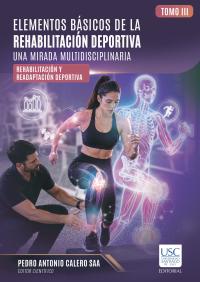
Publicado
noviembre 12, 2026
Colección
Derechos de autor 2026 Editorial Universidad Santiago de Cali

Detalles sobre el formato de publicación disponible: Libro
Libro
ISBN-13 (15)
978-628-7914-17-9